Follow us on Google News

During the Diwali holidays, a cyber gang reportedly created more than 300 fraudulent Ayushman Bharat health cards, raising serious concerns about the security of India’s digital health infrastructure. Authorities are also investigating the possible involvement of Saachis officials in the approval process.
https://the420.in/centre-for-police-technology-launched-as-common-platform-for-police-oems-and-vendors-to-drive-smart-policing/
Fake IDs Used to Approve Cards: Mobile Numbers Tampered
The investigation revealed that the gang fabricated IDs of Saachis officials to approve the fraudulent cards.
The portal listed the same mobile numbers linked to the officials’ Aadhaar IDs, but the fraudsters replaced these numbers on the system, allowing the OTP for card approval to go directly to the gang rather than the authorized officer.
Officials involved in the card approval process are also under investigation, according to Saachis sources.
300 Cards Declared Invalid; Claims Blocked
Archana Verma, CEO of Saachis, stated:
“A thorough audit has confirmed that more than 300 Ayushman cards were created fraudulently. All affected cards have been declared invalid, and any claims associated with these cards are blocked. We will also review other cards issued in the last six months.”
Complaint Filed; Cyber Gang Suspected
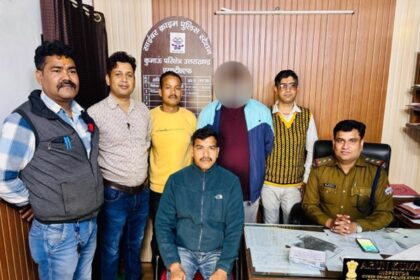
A complaint was filed at Hazratganj Police Station by Dr. Sachin Vaishya, raising the possibility of a cyber gang operating behind the fraud. The UIDAI Deputy Director General has been informed of the case.
“Our investigation indicates a coordinated effort, including card creation and OTP interception, designed to bypass authentication protocols,” police officials said.
Warning Signs: Growing Threats to Digital Health Systems
Experts emphasize that this case exposes vulnerabilities in digital health and identity systems:
- Reliance solely on mobile number verification and ID checks allowed large-scale fraud.
- The incident highlights the need for enhanced monitoring and multi-layer authentication at both state and central levels.
This incident underscores how digital technologies can be exploited to commit large-scale fraud in government health schemes, emphasizing the urgent need for robust verification systems, cybersecurity safeguards, and continuous audit mechanisms.