
Follow us on Google News

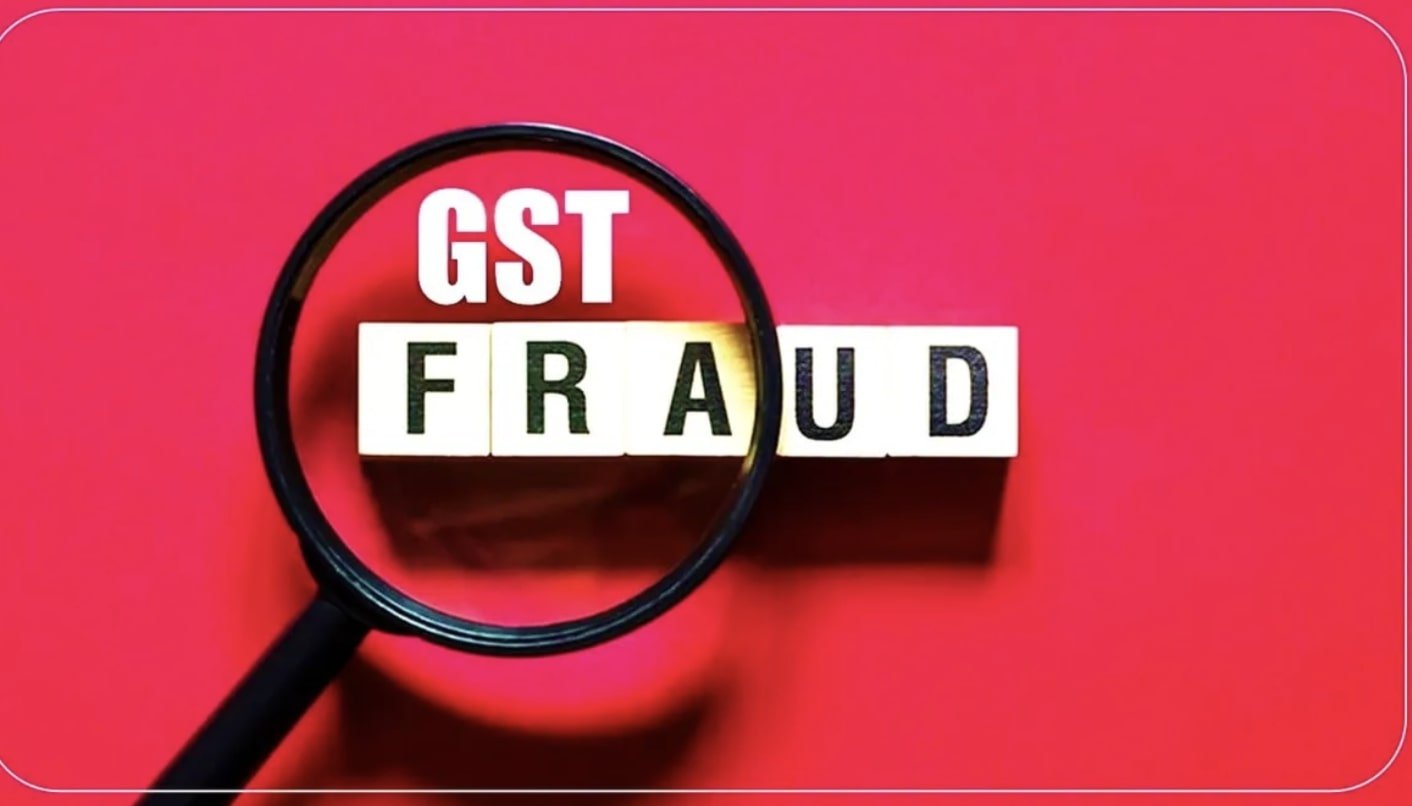
The Uttar Pradesh Special Task Force (STF) has uncovered a sprawling GST evasion network allegedly operating through a web of shell companies across multiple states. Investigators say the racket caused a revenue loss of over ₹500 crore by generating fake invoices and e-way bills, and by illegally passing on Input Tax Credit (ITC) to genuine traders. Eight members of the syndicate have been arrested in connection with the case.
According to officials, the group created bogus firms using forged and manipulated documents. These entities were then used to issue invoices for transactions that never occurred. Using these fabricated records, real businesses claimed ITC and enjoyed tax benefits that they were not entitled to, resulting in a significant dent to government revenue.
https://the420.in/fcrf-certified-grc-professional-program-governance-risk-compliance-training-india/
Meerut–Ghaziabad used as operations hub
Those arrested have been identified as Dilshad Malik, Ramesh Patel, Ankur Tiwari, Swatantra Kumar Tiwari, Mohammad Wasim, Mohammad Sohel, Javed Malik and Ikramuddin.
Preliminary investigation indicates the network was primarily coordinated by Dilshad Malik, who allegedly ran the operation from offices linked to accounting and financial services in Meerut and Ghaziabad. Each member had a defined role — some arranged company registrations, others handled billing, e-way bill generation and filing of GST returns. All eight were taken into custody after questioning by the STF field unit in Meerut.
Documents reveal more than 90 shell firms
During multiple raids, officers seized a substantial cache of material believed to be linked to the fraud. Items recovered include rubber stamps, laptops, mobile phones, photocopies of Aadhaar and PAN cards, cheque books, debit and credit cards, billing files, logbooks of fake transport companies, significant cash sums, and four vehicles.
Investigators say that these records point to a long-running and organised network that steadily expanded the web of fictitious companies to facilitate larger volumes of fraudulent transactions.
Racket stretched across several states
According to the STF, the syndicate registered shell companies in Meerut, Ghaziabad, Hapur, Noida, Lucknow, Kanpur, Agra and Varanasi, among other districts. The influence of the network extended further to states including Tamil Nadu, Kerala, Karnataka, Telangana, Maharashtra, Gujarat, Madhya Pradesh, Bihar, Jharkhand, Assam and Delhi.
One Agra-based firm — “Sharma Enterprises” — is separately suspected of facilitating GST evasion worth nearly ₹137 crore, a discovery that drew intensified scrutiny from enforcement agencies.
Orders over WhatsApp, bank entries mask fraud
STF officials say that genuine traders shared their GST numbers along with details of goods or services, quantity and pricing via WhatsApp. The syndicate then generated invoices and e-way bills in the names of shell firms, which were uploaded on the GST portal.
To give the transactions an appearance of legitimacy, entries were created through bank accounts. However, officers said that in reality, most payments were settled through cash adjustments or circular trading, while paperwork falsely depicted the transactions as lawful.
Criminal charges under BNS Act; further arrests likely
The crackdown is linked to a case registered at Lohamandi police station, Agra, under the Behavioural Non-Compliance and GST Fraud (BNS) Act, which governs offences relating to fraudulent tax claims, misrepresentation of ITC and submission of false invoices. The accused have been booked under relevant provisions of the BNS Act.
The STF has initiated forensic examination of the seized records and is tracking complex bank trails linked to the shell entities. Officials believe that as scrutiny intensifies, the number of fake firms — and individuals involved — may rise further. Coordination with the GST department, local police and other enforcement agencies has been significantly strengthened to expedite the ongoing probe.