
Follow us on Google News

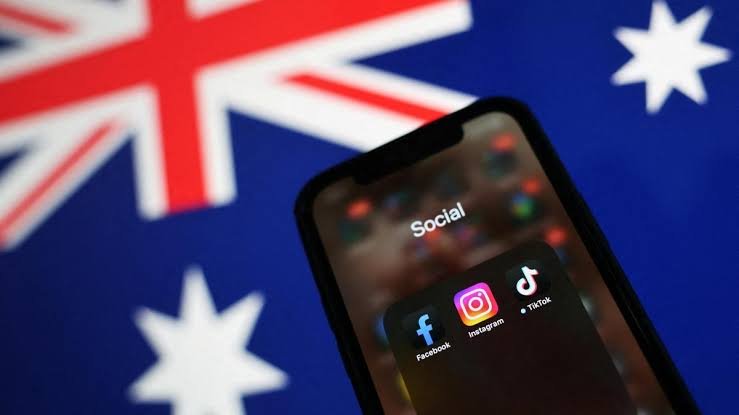
Australia on Wednesday rolled out a world-first law banning children under 16 from social media, in an unprecedented move to curb the growing influence of digital platforms on young minds. The new regulation, which took effect after midnight, compels social media companies to block underage users or face fines of up to US$33 million (AUS$49.5 million).
The law covers major social media and streaming platforms, including Facebook, Instagram, YouTube, TikTok, Snapchat, Reddit, Twitch, Threads, and X, while others such as WhatsApp, Pinterest, and Roblox remain under review.
Prime Minister Anthony Albanese defended the policy as necessary to shield children from “predatory algorithms” that promote harmful content and online exploitation.
https://the420.in/fcrf-certified-grc-professional-program-governance-risk-compliance-training-india/
Government Cites Rising Harm from ‘Predatory Algorithms’
Announcing the measure, Albanese said social media has too often become “a weapon for bullies, a driver of anxiety, a vehicle for scammers, and, worst of all, a tool for online predators.” The government argued that the law was needed to tackle growing mental health concerns, online bullying, and exposure to sexual or violent content among teenagers.
Under the new rules, platforms are required to take “reasonable steps” to ensure users are aged 16 or older. Companies are expected to deploy AI-based age verification tools or require government ID uploads to confirm age.
Mixed Reactions from Parents and Experts
While some parents have hailed the decision as long overdue, others have expressed skepticism about its effectiveness.
Mia Bannister, whose teenage son Ollie died by suicide after being bullied online, called the ban “a godsend.” She said endless diet and body-image videos had worsened her son’s eating disorder, accusing tech giants of “shirking responsibility.”
However, 15-year-old student Layton Lewis said the move would not work in practice: “I don’t think the government really knows what they’re doing, and it’s not going to have any impact.”
Experts remain divided, noting that excessive screen time is linked to anxiety and poor concentration but acknowledging that causation remains complex.
Tech Companies Condemn the Move as ‘Rushed’
Social media firms, including Meta and YouTube, have sharply criticized the law, calling it “rushed” and warning it could drive children to “darker corners of the internet.”
A YouTube spokesperson said the company supports protecting kids “in the digital world, not from the digital world.”
While most major platforms have agreed to comply, legal challenges are expected. Reddit has hinted at a possible appeal in Australia’s High Court, while internet rights groups have already launched petitions demanding reinstatement of teenagers’ access.
Global Interest and Potential Ripple Effect
Australia’s move is being closely watched by governments worldwide. New Zealand and Malaysia are reportedly considering similar restrictions amid growing concern over digital addiction among minors.
The government concedes the rollout will not be flawless, acknowledging that tech-savvy teenagers may still find ways to bypass verification systems. Yet, officials insist the policy marks an essential “line in the sand” to limit children’s exposure to addictive digital content.
As Father-of-five Dany Elachi put it, “We need to err on the side of caution before putting anything addictive in the hands of children.”