Follow us on Google News

The U.S. Marshals Service issued urgent public warnings across multiple districts about sophisticated scammers impersonating federal marshals and court officers using forged arrest warrants, fake subpoenas, and Bitcoin payment demands. Victims receive texts/calls alleging outstanding warrants for missed jury duty or court violations, with scammers providing badge numbers, case numbers, and spoofed caller IDs from legitimate government numbers.
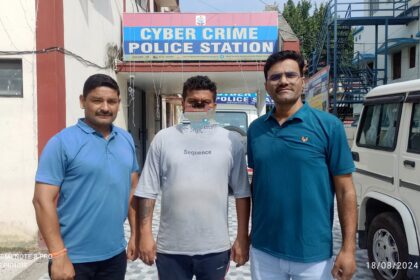
Certified Cyber Crime Investigator Course Launched by Centre for Police Technology
Fake Warrants Show Judge Signatures, Bitcoin Fine Sections
Scammers email professional-looking arrest warrants featuring active federal judges’ signatures, legitimate case numbers, and “Did you know” Bitcoin payment sections. Phone follow-ups demand immediate wire transfers, Green Dot cards, or cryptocurrency to avoid arrest.
USMS emphasizes federal law enforcement never requests money, gift cards, or Bitcoin to resolve legal matters or via unsolicited phone/text contact. Recent cases escalated with spoofed courthouse caller IDs and fabricated legal documents appearing authentic to panicked recipients.
Multi-District Scam Wave: Seattle to West Virginia Alerts
Western District Washington (Seattle) reported fraudulent court order emails with local district formatting. West Virginia USMS confirmed text message variants claiming arrest threats unless immediate payment.
Connecticut USMS warned against credit card/gift card demands. Common scammer tactics include real law enforcement names, public servant identities, and federal judge signatures combined with Bitcoin untraceability demands.
USMS Countermeasures: Verify Through Official Channels
Federal marshals outlined ironclad verification protocols:
Contact USMS via official government websites only (206-370-8600 Seattle, local FBI offices). Never respond to unsolicited enforcement claims. FTC complaint filing critical for pattern detection.
Scam hallmarks: Unsolicited arrest threats, Bitcoin/wire transfer demands, caller ID spoofing, fabricated warrants with legitimate formatting. Local law enforcement + FTC reporting urged for all incidents.
National Security Implications: Impersonation Industrialization
USMS alerts signal sophisticated law enforcement impersonation industry:
- Document forgery rivals state intelligence capabilities
- Caller ID spoofing evades telecom safeguards
- Bitcoin demands ensure untraceability
- Multi-district coordination suggests organized networks
Prevention mantra: Federal agencies never demand phone payments. Independent verification via official channels defeats 100% of impersonation attempts. FTC pattern analysis enables law enforcement pattern disruption.
US Marshals across districts maintain operational silence on specific case numbers but emphasize public vigilance as primary defense against escalating impersonation sophistication.
About the author – Ayesha Aayat is a law student and contributor covering cybercrime, online frauds, and digital safety concerns. Her writing aims to raise awareness about evolving cyber threats and legal responses.