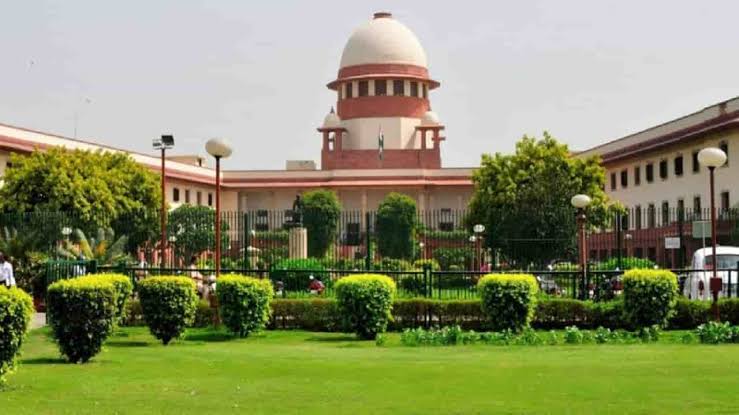

The Supreme Court has ruled that creditors cannot withdraw an approved insolvency plan solely because a company’s finances improve.
What Did the Supreme Court Rule?
In its October 26 judgment, the Supreme Court clarified that a resolution plan approved by the Committee of Creditors (CoC) under the Insolvency and Bankruptcy Code (IBC) becomes binding on creditors and the successful resolution applicant even before confirmation by the National Company Law Tribunal (NCLT).
The court held that subsequent improvements in a corporate debtor’s financial position cannot independently justify withdrawing an approved plan, even if those developments make the original agreement less commercially attractive to creditors.
The ruling reinforces certainty in insolvency proceedings by preventing lenders from reopening an accepted resolution solely because changing circumstances offer the possibility of better financial returns.
https://the420.in/fcrf-certified-chief-ai-officer-second-cohort-november-2026/
What Led to the Dispute?
The case arose from insolvency proceedings initiated by Bank of India against TD Toll Road, a company operating a toll collection business on National Highway 45. Its revenues declined sharply during the COVID-19 pandemic, resulting in insolvency proceedings.
In 2021, the CoC approved a ₹172 crore resolution plan submitted by a consortium of successful resolution applicants. At that stage, the company reportedly held cash reserves of approximately ₹30 crore.
However, prolonged litigation and judicial stays delayed implementation. During this period, toll collection operations recovered, and the company’s cash reserves increased to approximately ₹165 crore.
The CoC subsequently voted to withdraw its approval, arguing that proceeding with the existing plan would provide the applicants with an unexpected financial advantage. Creditors sought fresh expressions of interest to obtain a better valuation.
How Does the Judgment Affect Creditors?
The decision follows earlier Supreme Court rulings concerning the binding nature of approved resolution plans. In the Ebix Singapore case of 2021, the court restricted modification or withdrawal of CoC-approved plans. Its 2024 Jet Airways ruling similarly addressed attempts to reverse approved arrangements.
Insolvency experts said creditors must carefully assess commercial risks before approving a resolution plan.
Sumant Nayak of Desai and Dewanji warned that allowing reversals could weaken predictability in insolvency proceedings. Anjali Jain of Areness explained that creditors retain an oversight role during implementation but cannot unilaterally reverse an approved plan.
What Happens After Creditors Approve a Plan?
The judgment does not eliminate the NCLT’s statutory responsibility to examine resolution plans before granting approval.
Ketan Mukhija of Kochhar & Co said the ruling balances commercial considerations with the need for finality in insolvency proceedings.
The decision establishes that creditors cannot treat improvements in a debtor’s finances as sufficient grounds to reconsider an accepted agreement.
The420 Insight: The ruling places greater responsibility on creditors to evaluate resolution plans before approval while protecting successful applicants from subsequent withdrawal decisions based solely on improved financial circumstances.