

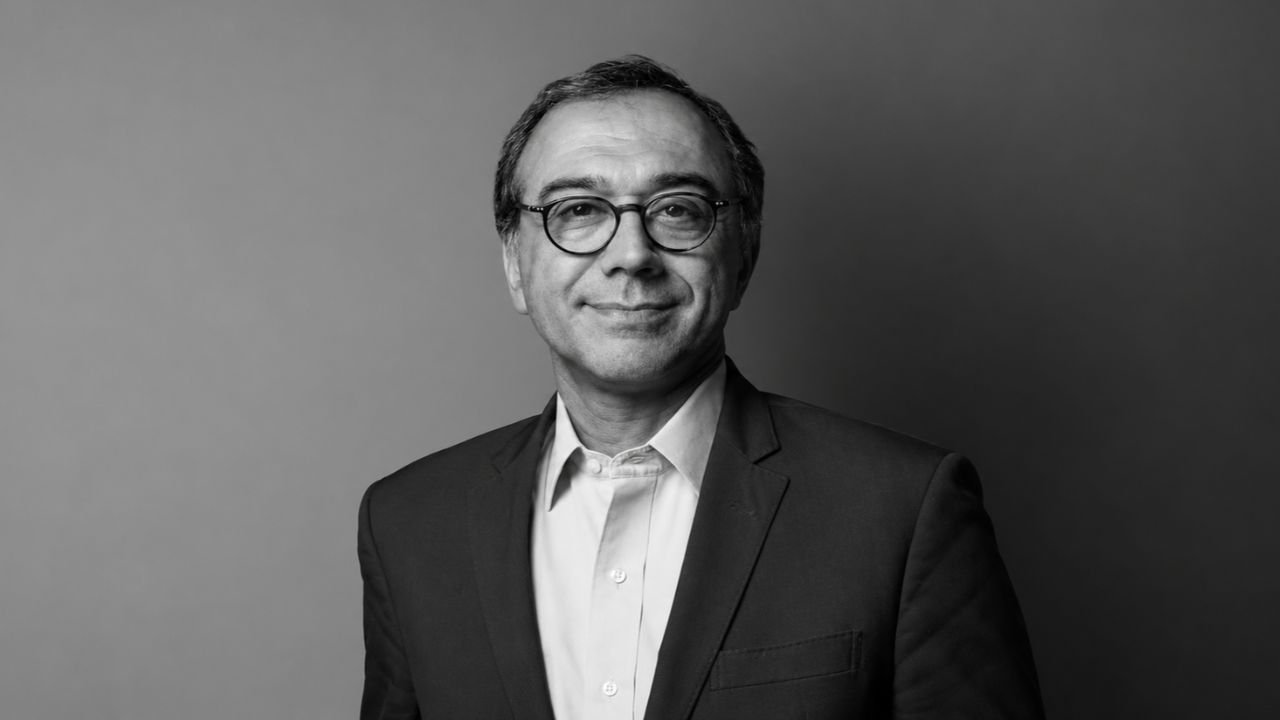

Telecom regulations alone cannot effectively tackle online scams because fraud networks also rely on social media platforms, banks and other parts of the digital ecosystem, GSMA Director General Vivek Badrinath has said, calling for more coordinated regulation across sectors.
Badrinath said telecom operators were only one part of the chain used by fraudsters and that authorities would need to address the wider ecosystem if they wanted to maintain public trust in digital services.
He also said telecom regulation in India had become simpler in some areas but remained heavily regulated, leaving scope for further reform.
FCRF’s Chief AI Officer Certification Returns on November 14 to Prepare Future AI Leaders
GSMA Calls for Ecosystem-Wide Action on Scams
Badrinath said online scams often involve several different systems, with telecom networks used to contact victims, social platforms used to attract or deceive them, and banks used to receive or move money.
He argued that focusing regulatory action on only one part of this chain would not be enough to solve the problem.
The GSMA chief said the wider ecosystem needed to work together and that regulation should, to some extent, be unified across the different sectors involved.
His remarks come as online scams increasingly involve combinations of telecommunications, digital platforms and financial services rather than operating through a single channel.
5G Regulation Should Focus on Outcomes
Badrinath also called for regulation that would enable telecom companies to make better commercial use of 5G technology.
He said authorities should focus more on regulatory outcomes instead of creating highly detailed rules for every aspect of the industry.
According to him, operators should also be given a degree of trust as they develop new services and business models around 5G.
He said telecom companies had already made significant efforts to expand networks and improve access to digital services.
Trust Seen as Central to Digital Growth
Badrinath identified trust as an important issue for the wider digital economy, particularly as fraud and scams become more sophisticated.
He said cyber fraud could not be addressed by telecom operators acting alone because the same fraud may depend on social networks, payment systems and banking channels.
The GSMA therefore sees greater cooperation between telecom companies, digital platforms, financial institutions and regulators as necessary for reducing fraud risks.
Badrinath’s remarks also point to a broader regulatory challenge as authorities seek to encourage 5G innovation while strengthening safeguards against online scams and maintaining public confidence in digital technologies.
Follow for daily updates on cybercrime, corporate fraud, DFIR, hacking, investigations, and digital forensics
