
Stay ahead with our breaking stories and exclusive coverage prioritized on Google.
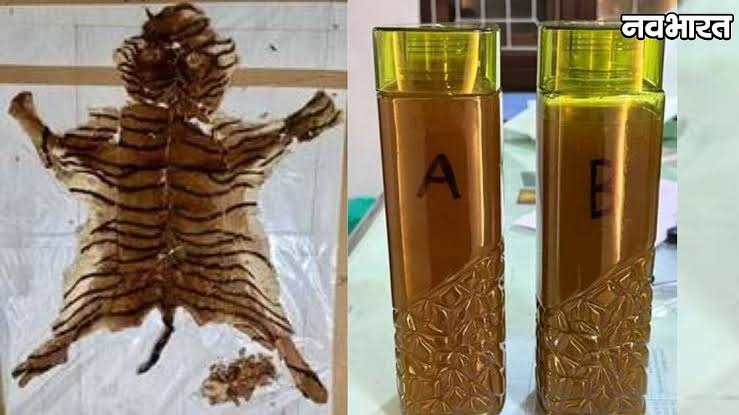
Add The420 on Google →New Delhi: Two separate wildlife smuggling networks operating in the Western Ghats region of Maharashtra have been dismantled following back-to-back operations by the Directorate of Revenue Intelligence (DRI) in Pune and Navi Mumbai. Acting on specific intelligence inputs, officials arrested six suspects on November 25 and 26. The agency seized approximately two litres of suspected king cobra venom, three skins believed to be of a tiger, a leopard, and a cheetah, and an air rifle allegedly used for poaching. All six arrested individuals, along with the confiscated contraband, have been handed over to the Maharashtra Forest Department for further investigation and legal action.
According to the DRI, both syndicates were actively engaged in the illegal wildlife trade and were using social media platforms to negotiate the sale and purchase of prohibited wildlife products.
King Cobra Venom Seized Near Indrayani River in Pune
The first operation took place on November 25 on the outskirts of Pune near the Indrayani River. DRI officials received intelligence that a stock market trader with a prominent social media presence was illegally dealing in snake venom. According to the tip-off, the trader was scheduled to meet a middleman and a prospective buyer during a religious gathering on the occasion of Kartik Purnima.
A DRI team placed the suspects under surveillance at the venue. Navigating through dense crowds and difficult terrain, officers pursued the suspects on foot for a considerable distance before intercepting and apprehending three individuals. During the search, officials recovered two bottles containing nearly two litres of suspected king cobra venom.
One DRI officer sustained injuries during the operation after coming into contact with spilled venom. The seized venom and the three accused were handed over to the Maharashtra Forest Department, which is now investigating the source of the venom, its intended buyers, and the possible involvement of other accomplices.
Tiger, Leopard, and Cheetah Skins Recovered in Navi Mumbai
The second operation was carried out on November 26 in Navi Mumbai following intelligence that wildlife skins and other contraband were being offered for sale through social media. Officers intercepted a suspect in the Panvel area and searched his bag, recovering two skins preliminarily identified as those of a tiger and a leopard.
Based on disclosures made during the suspect’s interrogation, DRI officials conducted a follow-up search at a residential premises in Navi Mumbai. There, they recovered another skin, suspected to be that of a cheetah, from the possession of two women. During the raid, officials also seized a .177 calibre (4.5 mm) Model 23 break-barrel air rifle.
Preliminary examination revealed a suspected gunshot mark on the leopard skin, raising suspicions that the seized air rifle may have been used to poach the animal. Further forensic analysis is underway to confirm this link. All three skins and the firearm were confiscated, and the three accused taken into custody were transferred to the Maharashtra Forest Department.
Strict Protection Under Wildlife Protection Law
King cobras, tigers, leopards, and cheetahs are listed under Schedule I of the Wildlife (Protection) Act, 1972, granting them the highest level of legal protection in India. Hunting, capturing, possessing without authorization, or trading in the body parts and skins of these species is strictly prohibited and attracts severe penalties under the law.
The DRI stated that the two operations have dealt a blow to organized wildlife trafficking networks active in the Western Ghats. The agency is working closely with the forest department to trace the supply chains, identify potential buyers, and examine the social media networks used by the accused. Authorities are also investigating whether the two cases are connected to a larger trafficking syndicate or represent independent criminal operations.