
Follow us on Google News

A retired Railway employee lost ₹32.82 lakh after a fraudster posing as an official tricked his family into installing an app.
How Did the Fraudster Approach the Victim?
The 60-year-old victim, who had retired as an Assistant Works Officer on October 31, received a call from an unknown number on November 2. The caller introduced himself as Hemraj, an Assistant Personnel Officer (APO) from the Divisional Railway Manager’s (DRM) office. He claimed that the retired employee’s Unique Medical Identity Card (UMID) required an update.
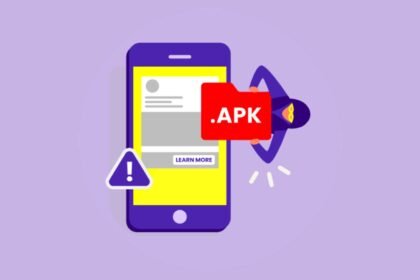
The caller offered to guide the victim through the process. As the retired employee was unable to understand the instructions, he handed his phone to his daughter. The fraudster then sent an application named ‘Railway Employee Self Service’ to her WhatsApp number, presenting it as part of the UMID card update procedure.
https://the420.in/fcrf-certified-chief-ai-officer-second-cohort-november-2026/
How Was ₹32.82 Lakh Transferred?
The fraudster kept a video call active while directing the victim’s daughter through the application. He asked her to enter the Pension Payment Order (PPO) number and mobile number. He also requested PDF copies of the UMID cards belonging to all family members, making the process appear connected to official Railway records.
During the interaction, the accused collected Aadhaar numbers and dates of birth of family members. By guiding the daughter through various steps, he allegedly gained access to the family’s Bank of Maharashtra account details. Over the following two days, ₹32,82,150 was transferred from the victim’s account to different bank accounts through online transactions.
What Action Was Taken After the Fraud?
After discovering the unauthorised transfers, the family submitted three complaints through the cybercrime reporting portal. The complaints concerned the money withdrawn from the bank account after the caller persuaded the family to use the application and provide personal and financial information.
Cyber Police subsequently registered a case in connection with the incident. The reported sequence indicates that the fraudster used the pretext of updating a Railway medical identity card to obtain sensitive information and facilitate unauthorised banking transactions.
The incident illustrates how impersonation of an official, combined with a seemingly routine administrative request, can be used to deceive individuals into sharing confidential information. In this case, the caller’s instructions during a video call and the application sent through WhatsApp allegedly enabled access to the family’s banking details, resulting in losses exceeding ₹32 lakh.