
Follow us on Google News

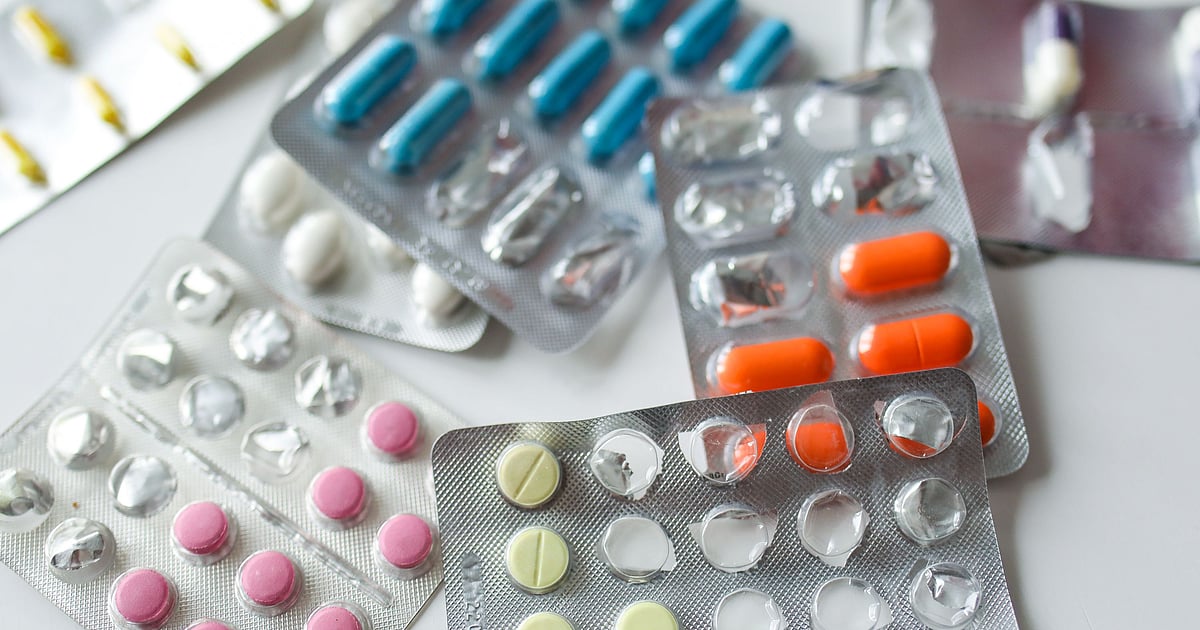
NEW DELHI: In a major step toward easing the financial burden on cancer patients, the central government has enforced substantial price cuts on 137 non-scheduled anti-cancer medicines starting Monday, with retail prices dropping by up to 96.45 percent. The measure follows a mandate by the National Pharmaceutical Pricing Authority capping trade margins at 30 percent across distributors and retailers. Official estimates indicate that the move will save patients and their families more than Rs 3,540 crore each year, offering critical relief to households dealing with prolonged and expensive oncological treatments.
Under the updated regulatory filing, 85 pharmaceutical companies have submitted revised maximum retail prices covering 1,364 formulations across 121 key drugs. Out of these, 679 brands have recorded price drops exceeding 50 percent. The steepest reduction has reached 96.45 percent, extending economic relief to individuals receiving therapy for lung, ovarian, cervical, and colorectal cancers, especially those requiring extended and continuous therapeutic regimens.
Sharp Decline in Retail Costs of Critical Injections
The direct impact of the trade margin rationalization is visible across widely used oncology medications. The price of Bryxta, a 100 mg Bevacizumab injection manufactured by Zydus Lifesciences, has fallen from Rs 25,995 to Rs 3,318. Similarly, the retail cost of Bevacirel, an equivalent Bevacizumab injection by Reliance Life Sciences, has dropped from Rs 24,079 to Rs 3,985.
Bevacizumab is routinely prescribed across multiple cancer lines, and the steep reduction provides immediate respite to patients requiring repeated doses. However, healthcare observers note that the exact financial relief for an individual will still depend on the prescribed dosage, the chosen brand, and the total duration of the treatment course.
Mounting Healthcare Burden and Overall Treatment Costs
The price revision arrives amid a rapid rise in the country’s cancer incidence. Estimates indicate that India recorded approximately 15.62 lakh cancer cases in 2024, alongside nearly nine lakh fatalities linked to the disease. The growing adoption of targeted therapies, immunotherapy protocols, and prolonged medicinal courses has driven up the overall expense of treatment across public and private healthcare facilities.
While lowering retail drug prices provides tangible relief, pharmaceutical costs constitute only a portion of comprehensive cancer care. Diagnostic imaging, hospital admissions, surgical interventions, radiation therapy, specialized consultations, and ongoing follow-up visits continue to consume substantial resources. Consequently, even with reduced drug prices, the total financial outlay for cancer management remains a major challenge for many households.
Regulatory Limits and Scrutiny Over Patented Therapies
Public health advocates have pointed out that the current pricing mechanism has clear structural limitations. Because the pricing authority has capped trade margins at the wholesale and retail levels rather than placing direct ceilings on ex-factory base prices set by manufacturers, expensive patented therapies may see little to no reduction. A notable example is Pembrolizumab, sold under the brand Keytruda, an advanced immunotherapy medicine whose base pricing remains largely insulated from this measure.
Patient advocacy groups, including the All India Drug Action Network, have voiced concerns over these regulatory gaps, arguing that controlling distribution markups does not address the underlying pricing power of pharmaceutical manufacturers. The network previously highlighted that 41 out of 50 evaluated anti-cancer drugs carried estimated trade markups above 100 percent, reaching 709 percent for a Bevacizumab formulation and 628 percent for Pemetrexed. The group has called for stronger regulation of manufacturer prices, greater transparency in how patient assistance programs are factored into margin calculations, and rigorous monitoring across hospitals. The revised maximum retail prices are now accessible to the public on the official NPPA portal and through the Pharma Sahi Daam mobile application.