
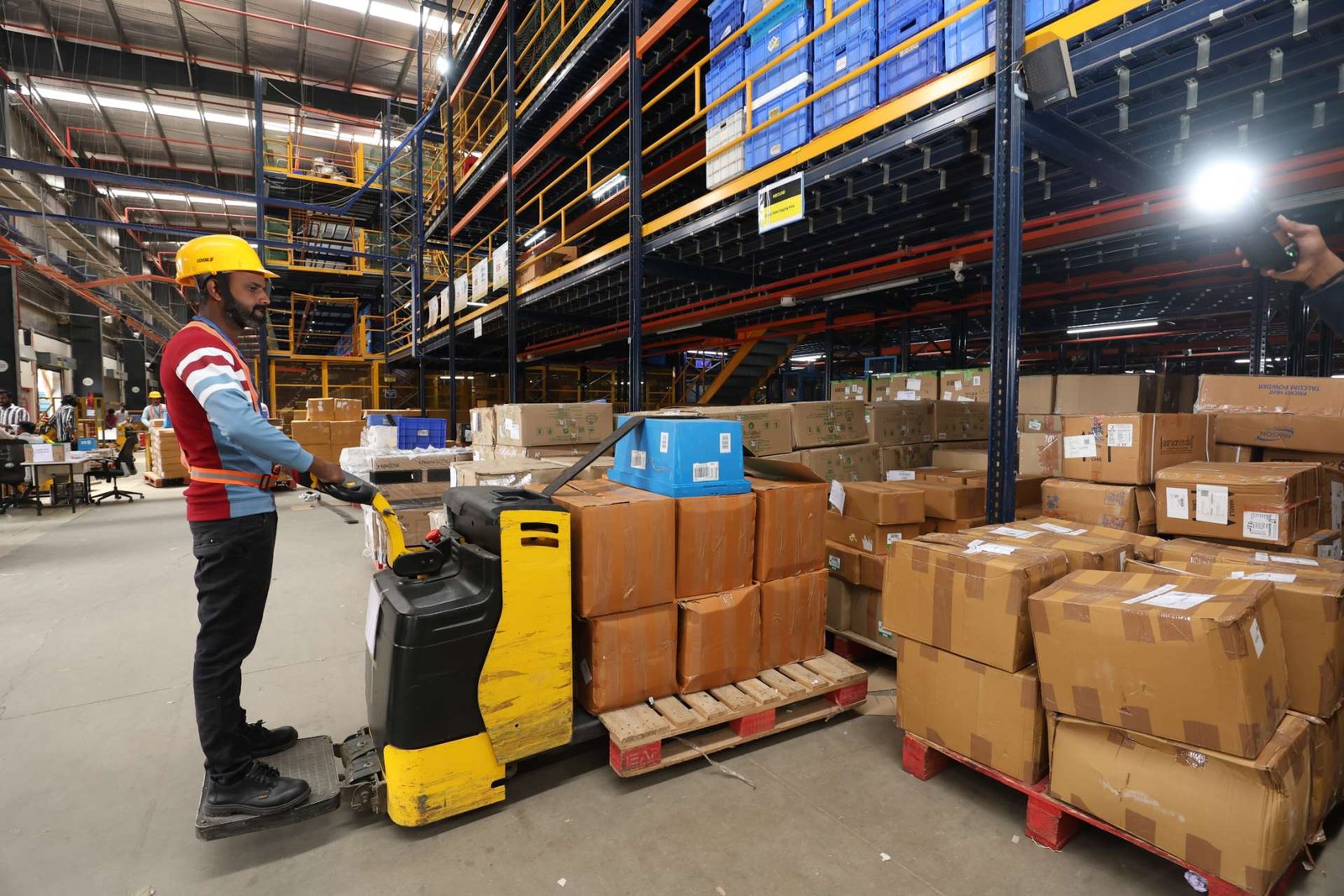

Police in Uttar Pradesh’s Baghpat district are investigating an alleged ₹77 lakh parcel-swapping fraud at an e-commerce delivery warehouse in Baraut, where expensive mobile phones and other valuables were allegedly removed from packages and replaced with cheaper or defective products.
The case was registered following a complaint by Ram Bhavan Singh, a manager with Instakart Services Pvt Ltd, the logistics business associated with Flipkart’s delivery network.
According to the complaint, Baraut warehouse manager Ashish Chaudhary and four associates allegedly manipulated orders and returns for around 18 months before an internal audit revealed unusually high cancellation and return rates.
Proposal for Conducting Cyber Crisis Drill, Tabletop Exercise (TTEx) & CCMP Readiness Exercise
High-value phones allegedly removed before parcels were returned
The suspected fraud revolved around the movement of expensive products through the warehouse.
According to the company’s complaint, online orders were allegedly placed for high-value mobile phones, including Apple devices, and other valuables.
Once the packages reached the Baraut facility, the original products were allegedly removed.
Cheap, defective or lower-value items were then placed inside the packages.
The altered parcels could subsequently move through the return process without the original expensive item inside them.
Investigators are now examining how many shipments were allegedly manipulated and whether the same method was repeatedly used across different customer accounts.
The preliminary company assessment puts the loss at more than ₹77 lakh.
Police will still have to independently verify that figure by matching individual orders, inventory records and returned parcels.
Bags allegedly placed in front of CCTV cameras
The complaint also points to an alleged attempt to defeat warehouse surveillance.
During its internal examination, the company reportedly reviewed CCTV footage and found instances where bags or other objects had been placed in front of cameras.
The obstruction allegedly created blind spots while parcels were being opened or altered.
If confirmed, that detail could become important evidence because it may show an attempt to conceal activity rather than an accidental inventory mismatch.
Police are expected to compare surveillance footage with employee attendance, parcel-scanning records and system logins.
That digital trail could reveal who had custody of each parcel when a product disappeared.
Prepaid customer orders allegedly targeted too
The alleged scheme may not have affected only the company’s inventory.
The complaint says some customers who had already paid online for expensive products also received altered parcels.
Original items were allegedly removed inside the warehouse and replaced with defective or inferior goods.
When delivery personnel reached the customer, the package could then be refused because the item was damaged or did not match what had been ordered.
The order would be cancelled and returned through the normal logistics chain.
Investigators suspect that this process may have allowed the original valuable product to remain with people inside or connected to the alleged racket while the system recorded what appeared to be an ordinary customer return.
That distinction makes warehouse fraud particularly difficult to detect.
A return is not unusual in e-commerce.
Hundreds or thousands of genuine cancellations can occur every day, so a fraudulent return can disappear inside normal business activity unless the pattern becomes large enough to trigger an audit.
Internal order data may be more important than the physical parcels
Cybercrime expert and former IPS officer Prof Triveni Singh has pointed out that such cases involve more than physical theft.
Warehouse staff may have access to order status, customer information, return workflows and internal inventory systems.
That means investigators need to compare several layers of evidence.
A parcel scan can establish when an item entered or left the warehouse.
Employee logins can identify who changed an order status.
CCTV can show who handled the package, while payment and return records can reveal whether the same customer accounts or delivery routes repeatedly appeared in suspicious transactions.
That is why an alleged warehouse racket can leave a large digital footprint even if the physical theft happens away from the camera.
Similar warehouse frauds have surfaced elsewhere
The Baraut allegations are not without precedent.
In Surat in June, five people were booked after employees at a Flipkart-linked warehouse allegedly replaced branded laptops, mobile phones and other electronics with duplicate products before sending parcels to customers.
That case involved an estimated loss of ₹82.73 lakh, and investigators reportedly recovered 170 duplicate products.
In Gwalior, police separately arrested a delivery worker accused of removing seven iPhones from parcels and replacing them with stones before disappearing.
The cases are unrelated.
But they show why fulfilment centres and delivery hubs are attractive targets for insider fraud: employees may have temporary access to high-value products before the customer ever sees them.
Five named in complaint as police examine wider involvement
The Baraut complaint names warehouse manager Ashish Chaudhary along with Abhishek, Vivek and Himanshu, all residents of Azad Nagar, and Anil of Baroda in Muzaffarnagar district.
Some unidentified associates have also reportedly been mentioned.
Police are examining warehouse records, parcel details, CCTV footage and staff activity to determine the role of each accused.
The investigation will also need to establish whether stolen products were resold and, if so, where the money went.
No court has yet established the guilt of the accused.
The ₹77 lakh figure also remains a preliminary company estimate until police complete a parcel-by-parcel financial assessment.
What this means for you: If an expensive online order arrives with damaged packaging, the wrong serial number or a product that appears previously used, document the unboxing immediately and raise the complaint through the platform’s official channel. For high-value electronics, record the serial or IMEI number as soon as delivery is accepted.
The420 Insight: The vulnerability in warehouse fraud is not just access to expensive phones. It is access to the digital return process around them. If insiders can manipulate both the parcel and the record explaining why it came back, ordinary cancellations can become cover for repeated theft.
Follow for daily updates on cybercrime, corporate fraud, DFIR, hacking, investigations, and digital forensics
