
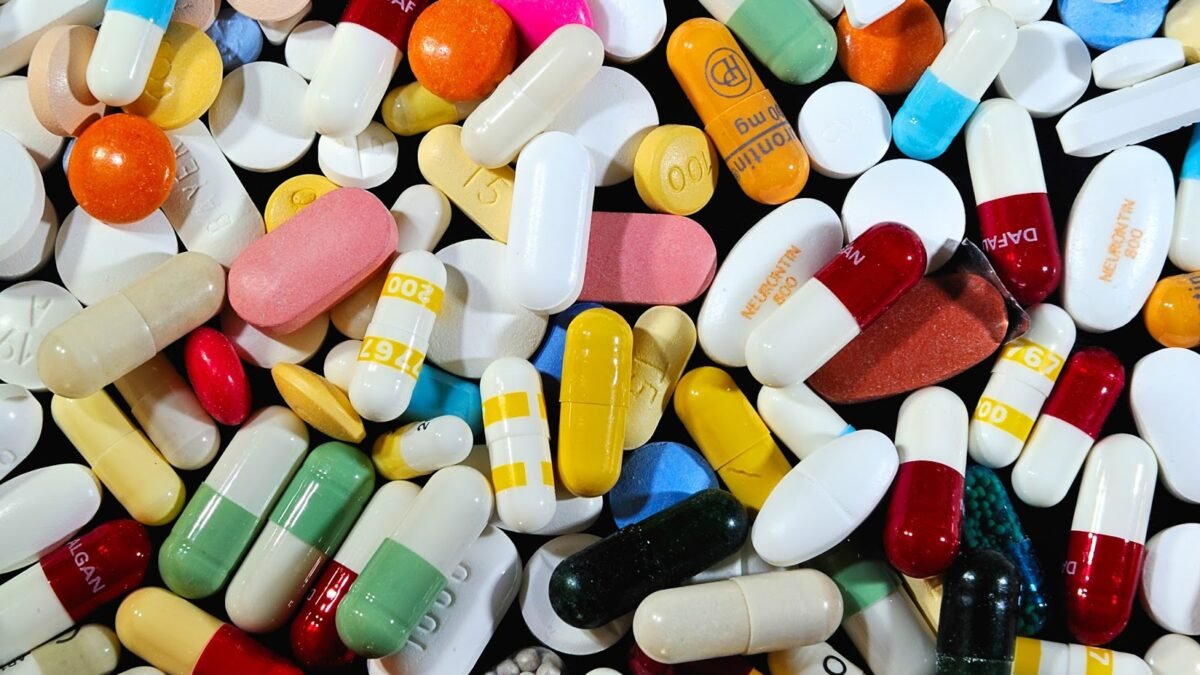

Bengaluru Police have arrested a pharmacy owner after uncovering an alleged counterfeit cancer-drug supply network that investigators say reached more than 90 hospitals and pharmacies across the city.
The accused, Rakesh Kumar, runs Sri Maruthi Pharma. Police are examining whether suspected fake versions of expensive oncology medicines were distributed through his firm and subsequently supplied to patients undergoing cancer treatment.
The case has raised serious questions because cancer medicines are not ordinary consumer products.
Patients receiving chemotherapy or targeted treatment often depend on precise doses of specialised drugs. A counterfeit medicine may contain the wrong ingredient, too little active medicine or, in the worst case, no effective drug at all.
Proposal for Conducting Cyber Crisis Drill, Tabletop Exercise (TTEx) & CCMP Readiness Exercise
Police trace suspected counterfeit supply chain across Bengaluru
Investigators allege that Kumar procured and supplied medicines through a distribution chain that reached dozens of healthcare facilities.
Police are now examining invoices, purchase records and contacts linked to Sri Maruthi Pharma to establish where the drugs originated and which hospitals or pharmacies received particular batches.
The scale makes the supply-chain investigation critical.
A hospital may purchase medicines from an authorised-looking distributor without knowing that the product entered the chain through a suspect source further upstream.
That means investigators have to reconstruct every movement of the drug — manufacturer, wholesaler, distributor, pharmacy and finally the patient.
Police are also trying to establish whether other individuals helped procure, relabel or distribute the medicines.
The case is therefore likely to extend beyond the arrested pharmacy owner if investigators identify suppliers operating higher up the chain.
What makes a counterfeit cancer drug especially dangerous?
A counterfeit medicine is one deliberately misrepresented in relation to its identity, source or composition.
It may imitate the packaging of a legitimate medicine while containing a different substance or an incorrect quantity of the active ingredient.
With oncology drugs, that can be particularly dangerous.
Cancer treatment is usually carefully planned around dosage, timing and the patient’s response. If a drug that appears genuine contains less medicine than stated, doctors may initially believe the treatment itself has failed.
That can delay effective treatment while the disease continues to progress.
Fake products can also contain contaminants or substances that were never intended for intravenous or medical use.
This is why the important question is not simply whether the box looks convincing.
Verification depends on batch numbers, invoices, authorised distribution records and, where necessary, laboratory testing.
High prices make oncology medicines attractive to counterfeiters
Cancer drugs can cost tens of thousands or even lakhs of rupees per treatment cycle.
That creates a powerful criminal incentive.
A counterfeiter who can imitate the packaging of a premium medicine may sell a low-cost or ineffective product at a price close to the genuine drug.
India has encountered similar cases before.
In 2024, Delhi Police busted an alleged racket involving fake cancer medicines in which expensive vials were reportedly refilled with cheaper substances and sold as genuine drugs. The operation led to multiple arrests and seizures of counterfeit oncology medicines and packaging material.
That case demonstrated how counterfeiters can exploit used vials, hospital waste, packaging material and genuine-looking labels to create products that appear authentic to patients.
The Bengaluru investigation will now have to establish whether a similar method was used or whether the suspected medicines entered through another route.
Hospitals also face a procurement problem
The alleged distribution to more than 90 healthcare facilities highlights a weakness that goes beyond individual patients.
Hospitals depend heavily on licensed wholesalers and distributors.
If a counterfeit product enters at the distribution stage, even reputable institutions can potentially receive it unless verification systems detect the problem.
India’s drug regulatory framework requires licensed manufacture, sale and distribution of medicines. State drug-control departments and the Central Drugs Standard Control Organisation can investigate suspect products and take action against spurious or misbranded drugs.
But enforcement becomes difficult when forged invoices, copied packaging and multiple intermediary firms are used to hide the origin of a product.
Digital supply-chain tracking and batch verification can reduce that risk, but they are effective only when manufacturers, distributors and hospitals consistently maintain records and investigate discrepancies.
The current case will therefore depend heavily on documentary evidence.
Police and drug-control officials need to identify which batches were supplied, whether the packaging corresponds with genuine manufacturers and whether laboratory tests establish that the medicines were spurious.
Patients should not stop treatment on their own
The allegation is alarming, but patients should not independently discontinue cancer medication because of the investigation.
Anyone concerned about a medicine already received should contact the treating oncologist or hospital pharmacy and ask them to verify the manufacturer, batch number and authorised supplier.
Doctors can then determine whether any replacement, testing or treatment review is required.
The hospitals identified in the investigation will also need to examine their purchase records if police or drug-control authorities confirm suspect batches.
The central question is now how widely the allegedly counterfeit medicines travelled before the network was detected.
If investigators establish that fake drugs reached patients, the case could become not merely a commercial counterfeiting investigation but a major public-health and criminal-liability issue.
What this means for you: Cancer patients should buy medicines only through hospitals or licensed pharmacies and retain invoices, packaging and batch details. If you are worried about a medicine linked to this case, verify it through your oncologist or hospital pharmacy rather than stopping treatment yourself.
The420 Insight: Counterfeit medicine networks exploit a dangerous asymmetry: patients cannot judge whether an injection is genuine by looking at it. That makes supply-chain integrity — not just packaging — the real line of defence, especially for expensive cancer drugs where a fake product can cost both money and critical treatment time.
Follow for daily updates on cybercrime, corporate fraud, DFIR, hacking, investigations, and digital forensics
