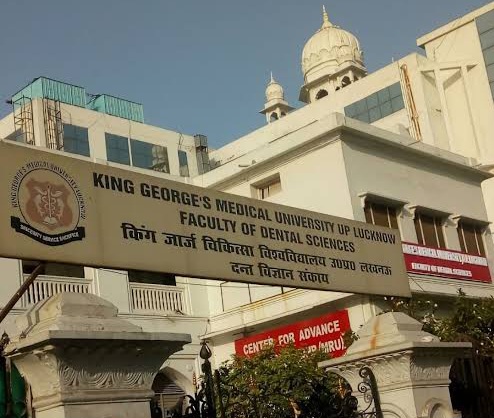

LUCKNOW: A seven-page investigation report submitted by the Uttar Pradesh Special Task Force into an alleged religious conversion network at King George’s Medical University has triggered significant unrest across the premier institution. The findings name approximately 13 medical practitioners, encompassing both senior faculty currently serving at the university and former doctors now holding top positions at major institutions elsewhere. Among those identified is an individual presently serving as a university vice-chancellor, while several others occupy vital administrative roles as heads of departments within the medical college. In response to the investigative findings, the university administration has initiated preparations to launch formal disciplinary proceedings and has scheduled an emergency meeting of the Executive Council for next week to decide the immediate course of action.
Administrative Roles Under Review Ahead of Emergency Council Meet
The university administration is preparing to constitute a specialized disciplinary committee during the upcoming Executive Council session to investigate the charges leveled against each doctor. Beyond establishing the inquiry framework, the governing council faces critical decisions regarding the administrative authority currently exercised by several named individuals. Multiple accused doctors are existing heads of departments, while others were scheduled to take over departmental headships within the next one to two months. The administration is deliberating whether these faculty members should be permitted to retain their departmental chairs and administrative portfolios or be temporarily relieved while the formal inquiry remains underway. Any interim removal from administrative responsibilities is expected to prompt an extensive leadership restructuring across several major departments in the coming weeks.
Inquiry Points to Preferential Treatment and Duty Allocations
The findings compiled by the investigative agency outline serious concerns regarding the professional conduct, clinical fairness, and workplace practices of the doctors under scrutiny. According to the report, the named practitioners allegedly displayed consistent sectarian preference toward members of their own religious community. This preferential conduct reportedly influenced day-to-day operations across various levels, ranging from patient medical treatment to the assignment of crucial departmental responsibilities. Investigators highlighted instances where specialists of a particular religious background were given priority during roster preparation and the assignment of clinical duties, raising concerns over institutional discrimination within public healthcare delivery. The prospective disciplinary committee will formally review these allegations to assess individual accountability and maintain operational standards across clinical units.
Network Origins Traced Back Over Two Decades
The investigation indicates that the alleged religious conversion activities at the university are not recent developments, with evidence pointing to organizational roots that date back approximately 22 years to 2004. The dossier notes that several established former doctors and prominent current faculty members allegedly contributed to sustaining and reinforcing these activities over the past two decades. The disclosure of the report late Friday sparked continuous discussions, high-level administrative consultations, and informal faculty meetings across the campus throughout Saturday as staff reacted to the scale of the findings. The university administration will examine the underlying material cited in the report while giving the named personnel an opportunity to submit their defenses, with the upcoming Executive Council meeting set to determine the trajectory of the disciplinary action.