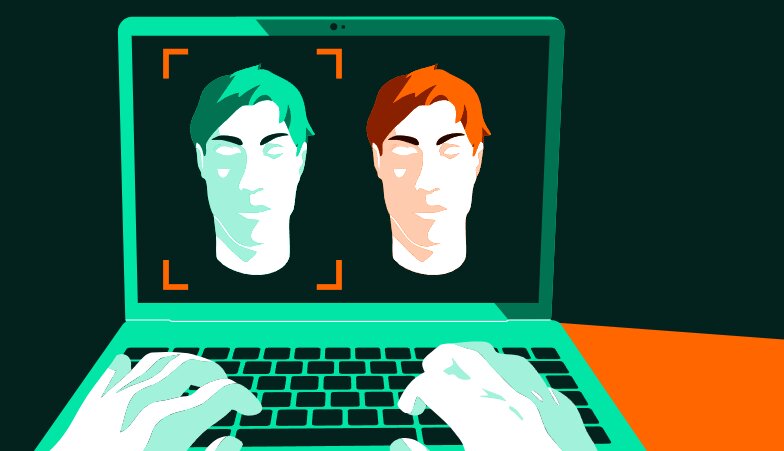

A deepfake scam can turn a familiar face, trusted voice or convincing photograph into a tool for financial fraud. Criminals are using artificial intelligence to imitate celebrities, company executives, government officials and family members, creating videos and audio recordings that appear genuine.
These fabricated messages may promote fake investments, demand emergency payments or trick victims into revealing sensitive information. As synthetic media becomes more realistic, recognising a person on screen or hearing their voice is no longer sufficient proof of identity.
India’s Computer Emergency Response Team (CERT-In) classified deepfake threats as high severity in its November 27, 2024 advisory, warning that manipulated media could facilitate financial fraud, social engineering and reputational damage.
What Is a Deepfake Scam and How Does It Work?
A deepfake is AI-generated or manipulated content that realistically imitates a person’s appearance, voice or actions. While synthetic media has legitimate creative applications, criminals exploit it to manufacture credibility. A fake investment advertisement may feature a well-known business leader, while a cloned voice may impersonate a relative requesting money.
Fraudsters often distribute such content through social media advertisements, messaging applications, fraudulent websites and video calls. The objective is usually to persuade victims to transfer money, disclose credentials or trust an unauthorised financial platform.
How to Spot AI-Generated Videos Used in Fraud
Poorly produced deepfake videos may contain unnatural facial expressions, irregular blinking, inconsistent lighting or lip movements that do not match the spoken words. Background objects may change unexpectedly, while facial edges can appear blurred during movement. However, these warning signs are not definitive. Advanced AI-generated videos can reproduce convincing expressions, speech patterns and movements. A recording without visible defects may still be fabricated.
The safer approach is to verify its source. Search for the original video, examine the account publishing it and check whether the claimed endorsement appears on the person’s verified channels. Treat advertisements promising guaranteed investment returns with particular suspicion.
How to Recognise AI Voice Cloning Fraud
AI voice cloning fraud involves generating speech that resembles a real person’s voice. Criminals may impersonate family members, employers or financial representatives to demand urgent transfers. Some recordings contain unnatural pauses, inconsistent pronunciation or unusual background sounds. Yet convincing voice clones may not reveal obvious technical defects.
A sudden request for money is therefore more important than how authentic the caller sounds. End the conversation and contact the person through a previously verified number. For workplace transactions, follow established payment approval procedures even when the voice resembles a senior executive.
The Cyber Security Agency of Singapore recommends independent verification through another communication channel when suspicious audio or video appears to originate from someone familiar.
How Are AI-Generated Images Used in Online Scams?
AI-generated images can support fake social media identities, fraudulent investment promotions, fabricated documents and misleading screenshots. Criminals may create photographs of nonexistent individuals or manipulate genuine images to suggest endorsements that never occurred. Older synthetic images sometimes contained distorted hands, inconsistent reflections or unreadable text. These defects are becoming less common as image-generation technology improves.
Reverse-image searches can reveal previously published photographs, while checking account history and original sources may expose impersonation. AI detection tools can assist, but their findings are not conclusive. The Internet Society advises examining where an image originated rather than relying entirely on how it looks.
Why Are Deepfake Investment Scams Dangerous?
Fake celebrity investment advertisements combine familiar faces with promises of unusually high returns. Victims may be redirected to WhatsApp groups, fraudulent trading platforms or applications displaying fabricated profits.
The supposed endorsement makes the scheme appear credible, encouraging people to transfer money before independently verifying the investment operator. Once deposits are made, withdrawals may be delayed or blocked through additional payment demands. Readers should also understand how criminals exploit trust in AI-enabled banking and financial security and the wider risks of automated financial deception.
What Does Indian Law Say About Deepfake Fraud?
Deepfake misuse may attract provisions of the Information Technology Act, 2000, including Section 66C concerning identity theft and Section 66D concerning cheating by personation using computer resources. Sections 318 and 319 of the Bharatiya Nyaya Sanhita, 2023 may also be relevant where the conduct amounts to cheating or personation.
India strengthened its Information Technology Rules, 2021 through amendments notified on February 10, 2026, which took effect on February 20. These introduced additional obligations concerning synthetically generated information, including safeguards against unlawful AI-generated content and requirements concerning identification and labelling.
For specified intimate-image complaints under Rule 3(2)(b), the removal timeline was reduced to two hours. This should not be confused with a universal deadline covering every deepfake complaint. The Digital Personal Data Protection Act, 2023 addresses personal-data processing but does not automatically establish liability for every manipulated photograph or recording.
How to Report a Deepfake Scam in India
Victims should preserve suspicious videos, audio files, screenshots, website links, phone numbers and transaction records. If money has been transferred, immediately contact the bank and report the incident through the national cybercrime helpline 1930 or the National Cyber Crime Reporting Portal.
Report impersonation or manipulated media to the social media platform hosting the content. Avoid forwarding the material unnecessarily. Prompt reporting can help investigators preserve evidence and attempt to trace stolen funds, although recovery is not guaranteed.
Frequently Asked Questions About Deepfake Scams
1. Can AI-generated videos look completely real?
Yes. Modern deepfake technology can produce convincing expressions, facial movements and speech. Visual inspection alone cannot establish authenticity.
2. Can scammers clone someone’s voice?
Yes. Voice-cloning systems can imitate speech using recorded audio. A familiar voice should not replace independent verification.
3. Are deepfake detection tools completely accurate?
No. Automated detectors can produce incorrect results. Their findings should be considered alongside source verification.
4. Can deepfake scams happen during live video calls?
Yes. Real-time manipulation can support impersonation during video conversations.
5. Is every AI-generated image illegal?
No. AI-generated content is not automatically unlawful. Its use, context and compliance with applicable laws determine whether legal issues arise.
6. What should someone do if a deepfake uses their identity?
Preserve evidence, report the content to the platform and file a cybercrime complaint if it involves impersonation, harassment, threats or other suspected offences.
The420 Insight: Verify Identity Before Transferring Money
The most reliable protection against a deepfake scam is independent verification. A convincing face, familiar voice or realistic photograph should never be treated as proof that a financial request is genuine. Contact the person through a trusted channel, verify investment platforms independently and refuse pressure to transfer money immediately.