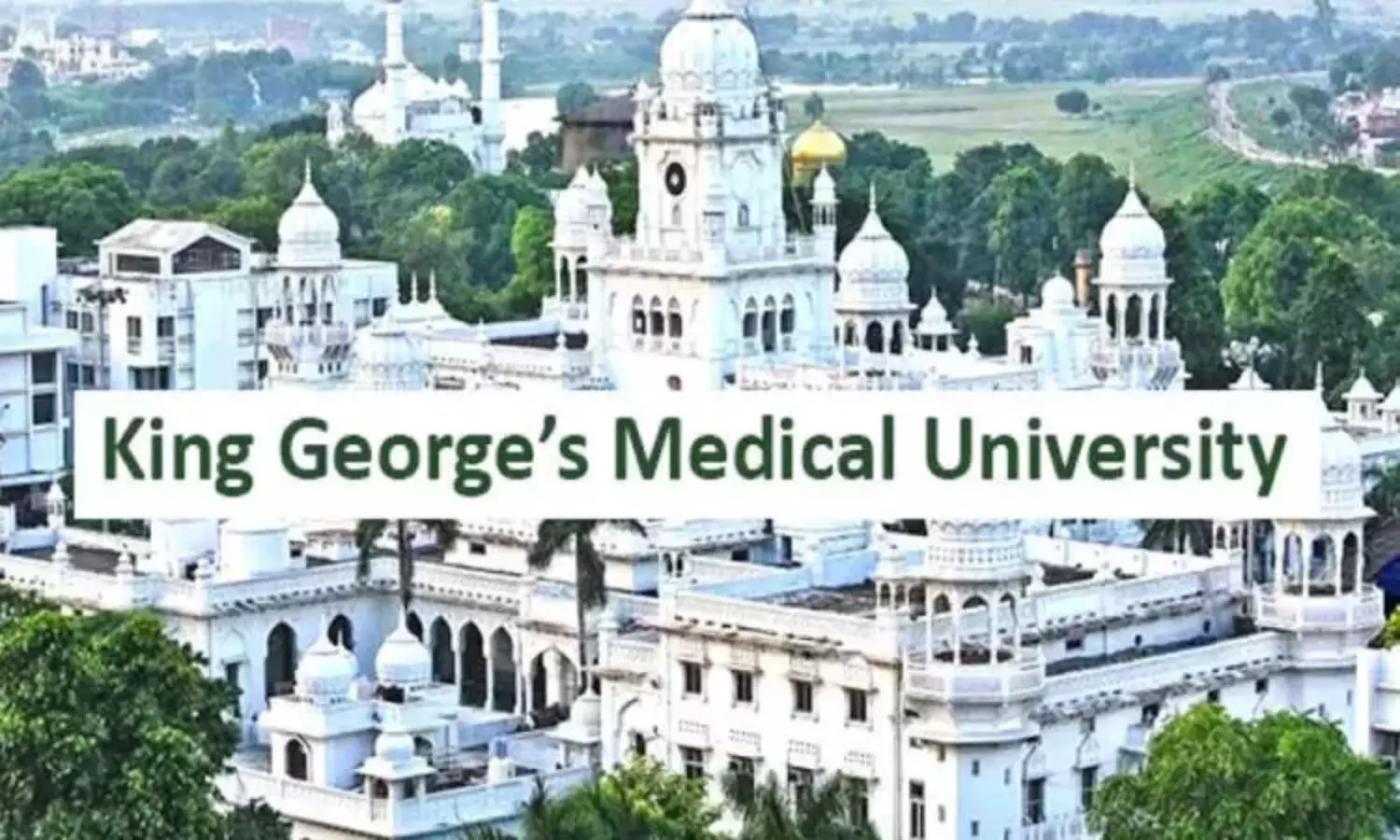

An investigation by the Special Task Force of the Uttar Pradesh Police has uncovered an alleged organised network of religious conversion operating within King George’s Medical University in Lucknow. The inquiry, initiated following directions from the state government, points to multiple instances where female resident doctors and nursing staff were allegedly entrapped in relationships, sexually exploited under false promises of marriage, and coerced into converting their religion. Taking cognisance of the findings, the Medical Education Department has intervened directly, with Joint Secretary Anand Kumar Tripathi instructing the KGMU Registrar to initiate departmental action against the named doctors and staff members, and to furnish a detailed compliance report.
Multiple Incidents Reported Across Hospital Wards and Departments
The inquiry outlines specific allegations across Gandhi Ward, Pathology, Radiology, and Microbiology departments. In Gandhi Ward, three separate instances were highlighted involving nursing staff and resident doctors. Nursing employee Nafees faces allegations of entrapping a female colleague, subjecting her to physical and mental harassment, and pressuring her into religious conversion and marriage. A second nursing staff member, Furqan, stands accused of sexually exploiting another female colleague and attempting to persuade her to change her religion. In the same ward, resident doctor Adil allegedly entrapped two nursing staff members with false promises of marriage and subjected them to sexual exploitation, leading to the registration of an FIR in one of the cases.
Similar coercion was documented in academic departments. In the Pathology Department, resident doctor Sameeuddin Nayak allegedly trapped a Hindu junior resident doctor into a relationship, forced her to convert, and entered into marriage while concealing his existing marital status. The victim later attempted suicide following persistent harassment, prompting an FIR. In the Radiology Department, resident doctor Rizwan was accused of trapping a colleague and another female doctor, allegedly threatening to ruin their careers and fail them in institutional examinations if they resisted religious conversion. Additionally, in the Microbiology Department, a 50-year-old contractual worker named Shafqat Ali Khan was accused of pressuring a female Hindu employee for conversion and marriage. Despite the constitution of an inquiry panel, the administration failed to act against the accused and instead terminated the victim’s contractual employment.
Inquiry Flags Formation of Islamic Medical Group
The probe details the existence of an organised network, highlighting the creation of an entity referred to as the Islamic Medical Group. According to the findings, an Islamic Student Group had initially taken shape at the Sarojini Naidu Medical College in Agra, which later expanded into an Islamic Medical Group by inducting resident doctors from KGMU. The investigative dossier explicitly names several medical practitioners associated with the 2012, 2013, and 2016 academic batches, indicating efforts to systematically recruit and mobilise new Muslim medical students into the group.
The inquiry further implicates Dr Wahid Ali, the in-charge of the biochemistry laboratory within the Pathology Department, accusing him of operating under radical religious influence. The findings state that he conducted medical tests for Muslim individuals free of charge, harassed Hindu staff by assigning them punitive double shifts, and actively pressured colleagues to perform namaz, while extending administrative backing to accused resident doctor Sameeuddin.
Role of Senior Faculty Members Under Scrutiny
The report scrutinises the conduct of several senior faculty members who allegedly shielded the accused and suppressed grievances brought forward by female professionals. Investigators noted that Pathology Department Head Professor Suresh Babu and Additional Professor Dr Subhash Kumar consistently defended the accused staff members rather than acting on complaints submitted by victimised female doctors. The report documents that senior authorities exerted administrative pressure on junior residents to withdraw their complaints. Several other senior officials, including Professor Usman Kausar of the Medicine Department alongside biochemistry faculty members Dr Ahmed, Dr Kaleem, and Dr Naseem Khan, have also been cited in the report for extending institutional support to the accused.