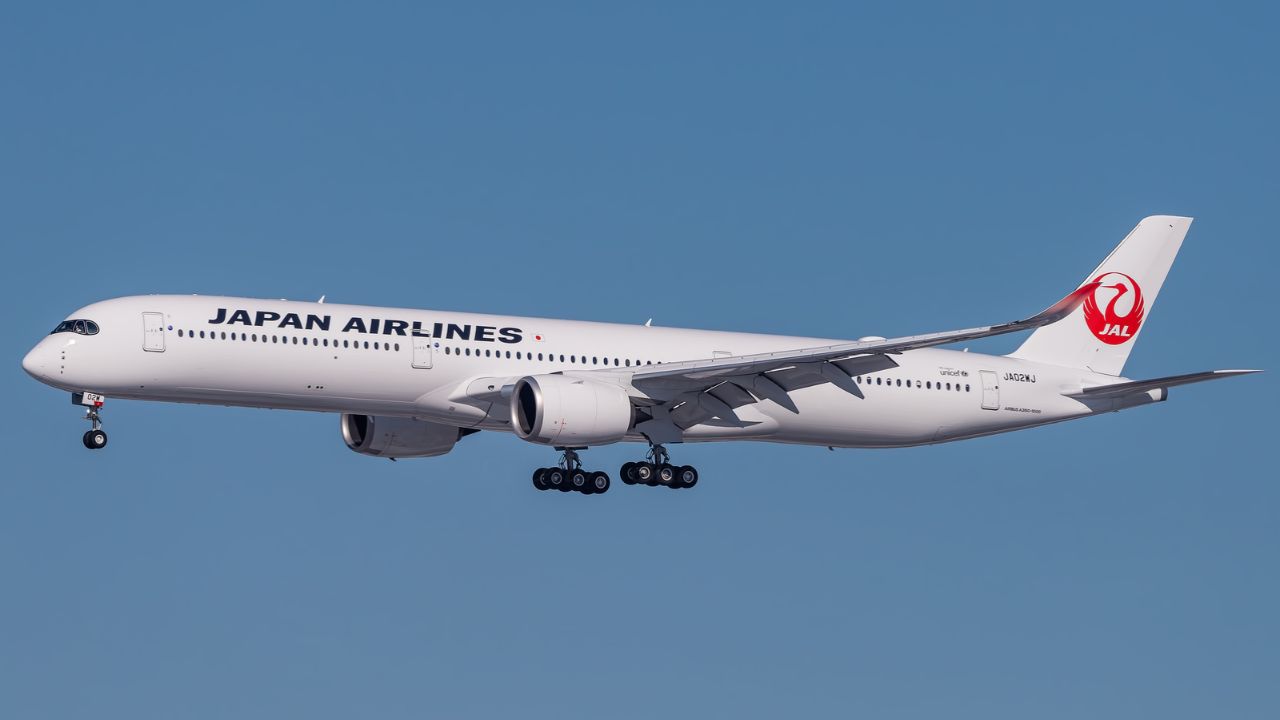

Japan Airlines has disclosed a data breach affecting about 92,000 customers after hackers accessed reservation information held by Amadeus IT Group, the technology provider that supports the airline’s flight reservation, ticketing and check-in systems.
The airline said it was informed by Amadeus last week that attackers had accessed a portion of customer reservation data linked to Japan Airlines and Japan Transocean Air flights. The exposed information included customer names, reservation codes and flight details.
For about 2,000 Japan Airlines customers, the compromised data also included passport numbers, frequent flyer numbers, email addresses and phone numbers.
https://the420.in/fcrf-certified-chief-ai-officer-second-cohort-november-2026/
Flight Operations and Card Data Not Affected
Japan Airlines said the incident did not disrupt flight operations and that customers’ credit card numbers were not compromised.
The airline said it would contact affected customers individually and provide assistance. It also advised customers to remain alert for phishing emails, fraudulent phone calls and suspicious websites impersonating the JAL Group.
The breach highlights the risks airlines face when sensitive reservation data is handled through external technology providers. In this case, the intrusion involved Amadeus, which provides systems used for reservations, ticketing and check-in.
Japan Airlines has not said that its own flight operations systems were breached, and the company stressed that the incident did not affect the operation of its services.
Breach Adds to Series of Cyber Incidents in Japan
The disclosure comes amid a series of significant cyber incidents affecting Japanese companies in recent weeks.
Sony Network Communications said on October 27 that more than 2.5 million people had information stolen in a data breach earlier in the month.
Burger King Japan was also hit by a cyberattack that exposed data belonging to about 11 million people, while gaming company Capcom disclosed another breach affecting approximately 11.7 million individuals.
A major Japanese online financial services company has separately offered compensation to customers after a cyberattack on its foreign exchange trading service resulted in financial losses.
The incidents have increased pressure on companies and government agencies to strengthen safeguards against large-scale data theft and attacks on digital services.
Government Moves to Strengthen Cyber Defences
Prime Minister Sanae Takaichi convened a cabinet meeting on October 26 focused on the recent cyberattacks and said the government would prepare emergency measures to improve protection for Japanese companies and citizens.
She described the situation as serious and pointed to growing concern about harm caused by the misuse of leaked personal information.
Japan’s recent cyber incidents have also become part of wider security discussions. Defence Minister Shinjiro Koizumi met U.S. Defense Secretary Pete Hegseth in the Philippines on October 28, where the two sides discussed the recent attacks.
According to the Japanese Defence Ministry, the two officials agreed to continue strengthening cooperation and coordination against malicious cyber activity, including large-scale leaks of personal information, that could affect citizens, economic activity and national security.
The Japan Airlines breach adds another major company to the list of organisations affected by recent cyber incidents in the country, with personal travel and identity information now among the data exposed.
About the author — Suvedita Nath is a science student with a growing interest in cybercrime and digital safety. She writes on online activity, cyber threats, and technology-driven risks. Her work focuses on clarity, accuracy, and public awareness.