
Stay ahead with our breaking stories and exclusive coverage prioritized on Google.
Add The420 on Google →Bengaluru/Chennai. The Enforcement Directorate (ED) has filed a prosecution complaint (chargesheet) against real estate firm Ozone Group, its promoters, and associated entities before a special Prevention of Money Laundering Act (PMLA) court in Bengaluru over allegations of defrauding homebuyers of approximately Rs 1,305 crore. The company is accused of collecting flat booking amounts from buyers in Chennai and Bengaluru, along with securing bank loans for residential projects, without delivering possession of the promised homes. Investigations revealed that funds meant for project construction were diverted to other group companies and used to settle business liabilities.
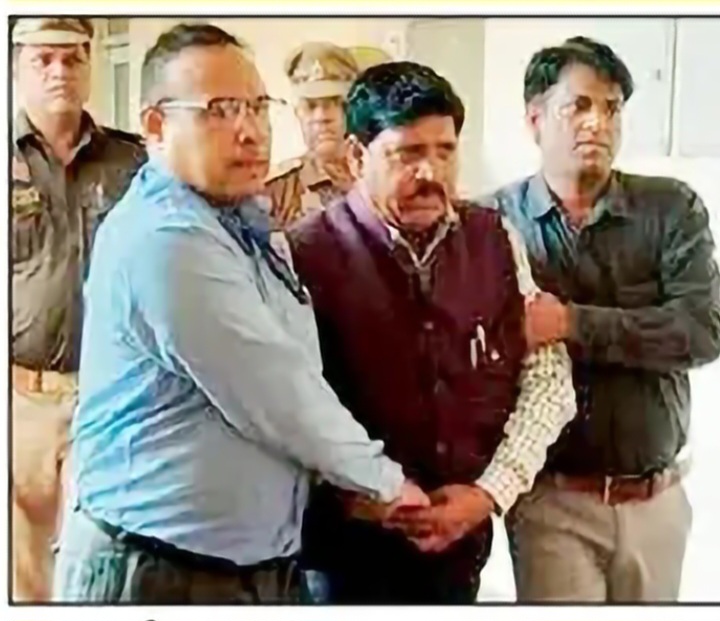
This action comes nearly two months after the arrest of Ozone Group Chairman and Managing Director S. Vasudevan on September 30. Following his arrest, the agency conducted search operations across several properties linked to the group in October and attached assets worth around Rs 1,126 crore under two separate orders.
Six Companies and Chief Promoter Accused of Rs 1,305 Crore Fraud
The ED investigation has identified the involvement of six Ozone Group companies and chief promoter S. Vasudevan in collecting Rs 1,305.11 crore from homebuyers while failing to hand over booked apartments and residential units. The projects under scrutiny include Aqua-2 and Avenue by Ozone Urbana Infra Developers Private Limited, Prime by Ozone Infra Developers Private Limited, Metrozone by Ozone Projects Private Limited, WF-48 by Ozone Elegant Developers Private Limited, and Polestar by Ozone Realtors Private Limited.
According to the agency, construction on these projects was not completed within the stipulated timeframe despite collecting funds from buyers. In many instances, homebuyers neither received possession of their flats nor got refunds for their deposited money, causing severe financial distress to individuals who had invested their life savings and taken bank loans to buy a home.
Bank Loans Diverted to Other Group Entities
The investigation uncovered major financial irregularities regarding how project funds were handled. The ED stated that bank loans obtained for specific residential developments were routed to other group entities instead of being utilized for construction. This diversion was executed through Inter-Corporate Deposits (ICDs) and other financial transactions. The agency alleged that the funds were used to repay old debts, cover interest and financial costs, refund investors, and fulfill liabilities of other companies within the group.
Because money meant for completing residential projects was redirected toward other financial obligations, construction stalled and buyers were left waiting indefinitely. The situation worsened for several buyers who continued to bear the burden of paying monthly home loan installments to banks despite never receiving possession of their properties.
CBI Probe and Prior Asset Attachments
The ED initiated its money laundering probe based on multiple First Information Reports (FIRs) registered by the Karnataka Police and the Central Bureau of Investigation (CBI). Acting on the directions of the Supreme Court, the Delhi-based Economic Offences Wing of the CBI had registered a case of fraud and corruption against Ozone Projects Private Limited, the developer of the Metrozone project in Chennai’s Koyambedu area, along with its promoters and directors. The role of unknown officials from Axis Bank Limited and Axis Finance Limited also came under the scanner during the investigation.
The FIRs detailed allegations of failing to complete housing projects, withholding possession of booked flats, and refusing to refund homebuyers. Following the October searches and the attachment of assets worth Rs 1,126 crore, the filing of the chargesheet moves the case forward in the special PMLA court, highlighting critical concerns over homebuyer fund security and the proper utilization of bank loans in the real estate sector.