
Follow us on Google News

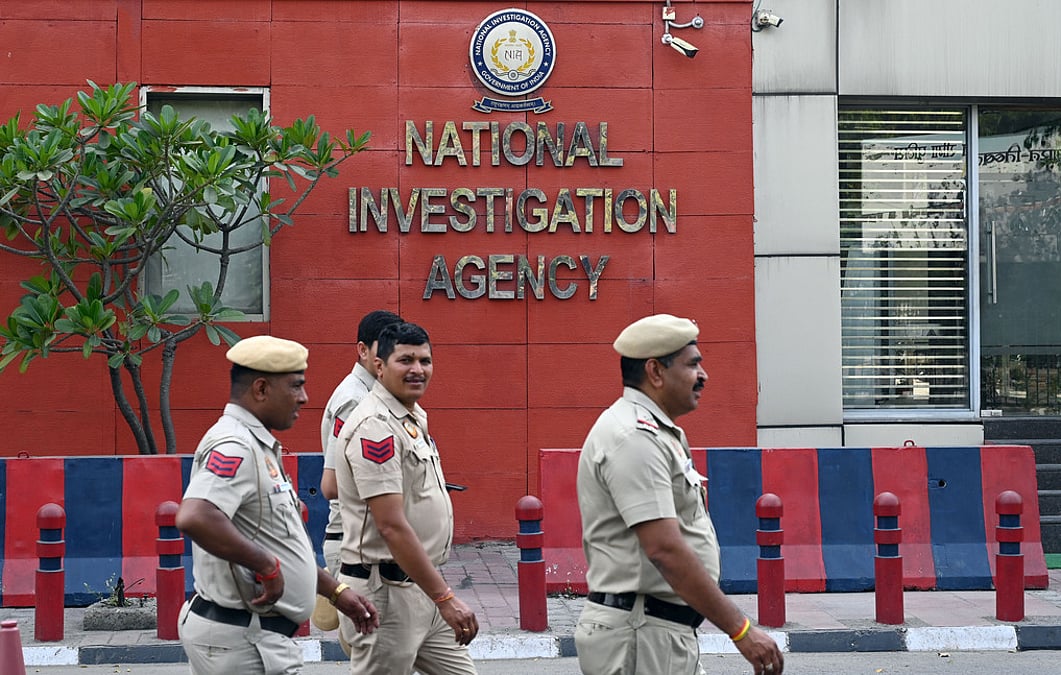
NEW DELHI: The National Investigation Agency (NIA) has recorded a 93 percent conviction rate in terrorism-related cases so far in 2026. Of the 29 cases in which courts delivered final verdicts this year, accused persons were convicted in 27. A total of 123 individuals were sentenced across these cases, including 10 who received the death penalty and 14 awarded life imprisonment. Simultaneously, the agency has launched a new portal named Pushti to curb cyber fraud perpetrated under the guise of digital arrest. The platform will enable ordinary citizens to verify the authenticity of notices and summons issued in the name of the NIA, countering fraudsters who use fake government documents to intimidate victims and extort money.
NIA Director General Rakesh Agrawal shared details of the agency’s performance and the new initiative on Friday at the conclusion of the sixth Anti-Terror Conference. He stated that Union Home Minister Amit Shah inaugurated the Pushti portal during the conference’s opening session. The move follows several reported incidents where fraudsters created counterfeit notices bearing the NIA’s name, falsely informing targets that they were under investigation for serious offences or facing imminent arrest before extorting money via video calls and other digital channels.
Unique Identification Numbers for Official Notices
Under the new portal mechanism, every official notice issued by the NIA will carry a unique identification number, and all formal notices will be generated exclusively through this system. Anyone receiving a notice or summons claiming to be from the agency will be able to verify its authenticity by entering the identification number and relevant name on the portal. This will allow recipients to confirm whether the document was genuinely issued by the NIA or fabricated by scammers.
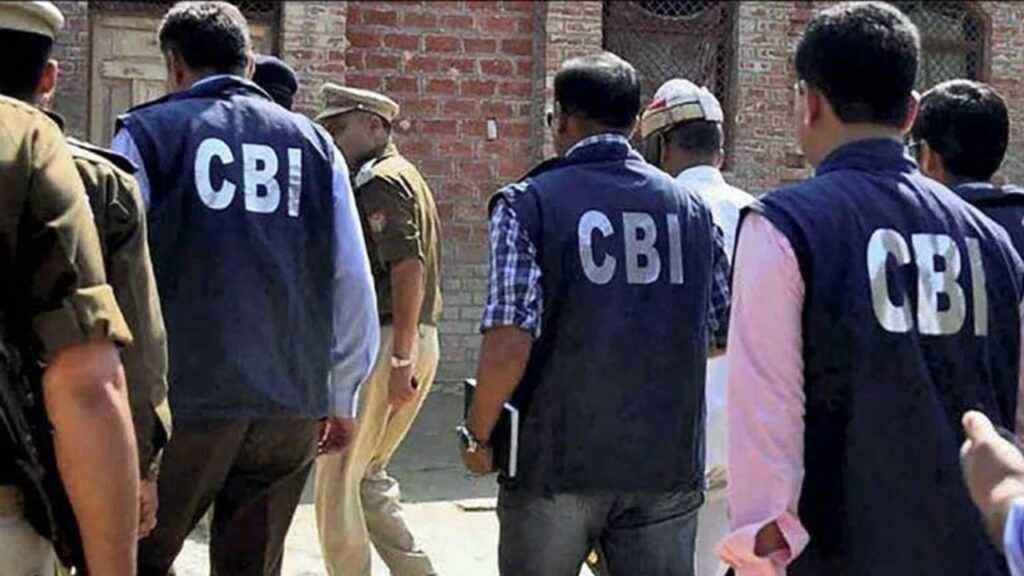
According to the NIA chief, the portal is expected to become accessible to the general public within three to four days. It aims to stop extortion driven by fear and coercion using forged documents. In typical digital arrest scams, perpetrators impersonate officers from the police, CBI, Enforcement Directorate, or other investigative bodies, displaying fake arrest warrants, investigation notices, and court papers. Victims are instructed to remain confined indoors, avoid contacting anyone, and transfer large sums of money into designated accounts for supposed verification until inquiries conclude.
Rising Caseload and Conviction Performance
Highlighting conviction trends, Agrawal noted that the NIA’s cumulative conviction rate stood at 92 percent at the end of 2025, rising to 93 percent in 2026 with convictions in 27 out of 29 decided cases. He added that the agency’s conviction rate has consistently remained above 90 percent over recent years.
In terms of fresh investigations, the NIA has registered 82 cases so far in 2026, surpassing the 80 cases recorded across all of 2025. Of the cases filed this year, 70 pertain to terrorism under the agency’s core mandate, while the remaining 12 involve post-poll violence in West Bengal assigned to the NIA by the Supreme Court. These 12 cases are classified separately from the agency’s core counter-terrorism caseload.
Expansion of Special Courts and Fugitive Extraditions
To address pending trials and judicial delays, 25 special NIA courts are currently operational across the country, with 14 more in the process of being established. Expected to begin functioning within the next six months, the additions will raise the total number of dedicated NIA courts to 39. Agrawal stated that dedicated courts have accelerated trial speeds by two to three times, allowing judges to examine 10 or more witnesses during Monday-to-Friday hearings compared to roughly two witnesses per week previously.
Agrawal also revealed that 72 fugitives living abroad have been brought back to India so far in 2026, marking the highest single-year figure in recent years. Since 1999, a total of 303 fugitives have been returned to India from 36 countries. Alongside lengthy judicial extradition processes, the agency is strengthening international cooperation and utilizing deportation and other available legal channels to bring absconding accused back to face trial.