
Follow us on Google News

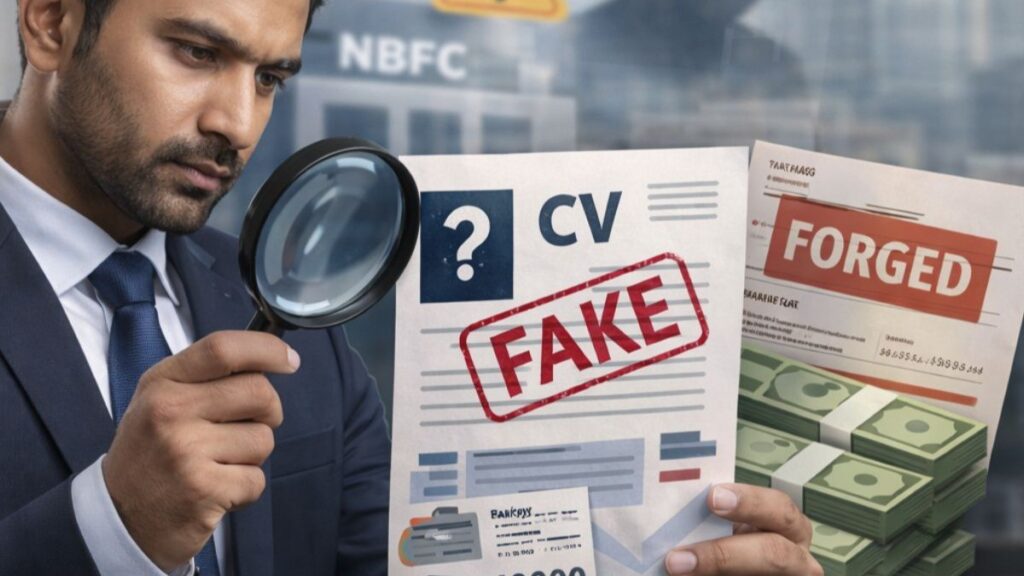
India has ordered nationwide audits of electronic waste recyclers to detect forged certificates and inflated recycling claims.
Why Has the Government Ordered the Audits?
The government has directed states to inspect more than 2,000 recycling facilities, including 309 units specifically handling electronic waste. The exercise follows concerns about recyclers issuing fraudulent compliance documents without undertaking the recycling activities they claim to perform.
The Central Pollution Control Board (CPCB), headed by Chairman Amandeep Garg, issued the instructions in July. The move followed a federal investigation that found appliance manufacturers Haier and Godrej & Boyce had failed to detect fake compliance documents issued by a recycler that had performed no electronic waste recycling. Both companies have stated their commitment to legal compliance.
FCRF’s Chief AI Officer Certification Returns on November 14 to Prepare Future AI Leaders
How Will Recycling Claims Be Verified?
The inspections will examine whether recycling facilities possess the equipment and operational capacity required to process the quantities of electronic waste declared in their records. Officials have been instructed to conduct physical machinery inspections, carry out trial runs and compare electricity consumption with reported production figures.
Under the revised procedures, forged or manipulated documents will constitute a major violation. Recycling units found submitting such records will be blocked from generating Extended Producer Responsibility (EPR) certificates. These certificates allow electronics manufacturers to demonstrate compliance with recycling obligations introduced in 2022.
What Have Inspections Revealed So Far?
The audit campaign has already involved unannounced visits to recycling facilities. One plant executive described an inspection in which three officials arrived with a 46-point questionnaire, examined electricity bills and assessed machinery operations. He said the facility had not experienced comparable scrutiny during its previous three years of operation.
Uttar Pradesh, which accounts for approximately one-third of the country’s electronic waste recyclers, has begun implementing the exercise. The state pollution board appointed regional officers on September 18, identifying 33 electronic waste recyclers for immediate inspection. Four of those facilities provide services to Samsung, according to the company’s India website. A senior state official confirmed that inspections were continuing.
Why Is Electronic Waste Compliance Important?
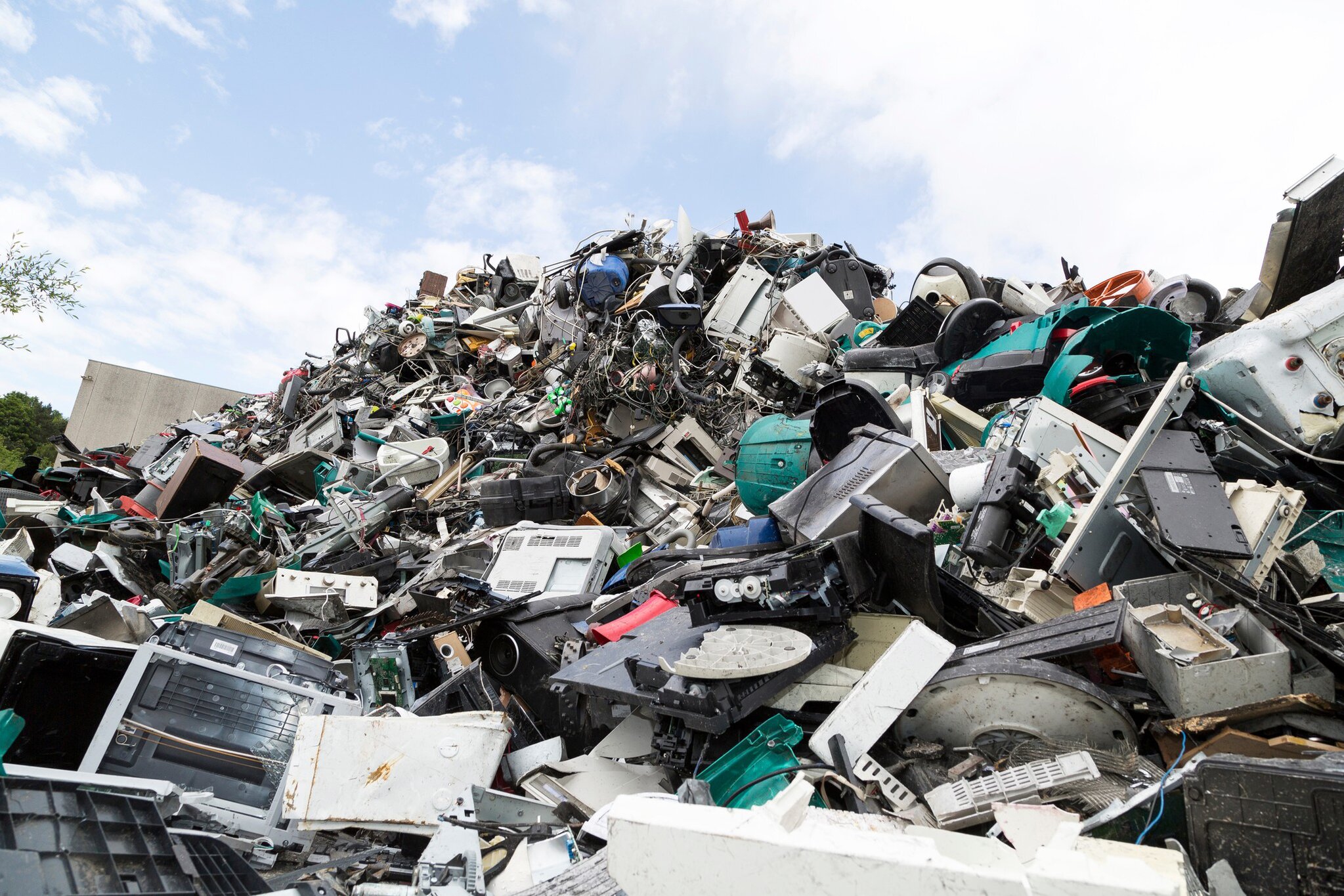
India is the world’s third-largest electronic waste generator after China and the United States. Approximately 78% of discarded electronic goods are processed by informal scrap dealers, raising concerns about environmentally harmful disposal methods and inadequate oversight. Electronic waste includes discarded smartphones, computers, televisions and household appliances. Recycling requires specialised processes because these products contain hazardous substances such as lead and mercury, alongside valuable materials including gold and silver.
The compliance concerns have also affected India’s consumer electronics industry, valued at approximately ₹8.4 lakh crore when the reported $95 billion figure is converted at an illustrative rate of ₹88.50 per US dollar. The investigation into fraudulent certificates prompted several companies to review their recycling supply chains.
A government think tank had earlier warned that some recyclers were issuing fraudulent certifications. The nationwide inspections are intended to distinguish genuine recycling operations from facilities making unsupported processing claims. The exercise places greater emphasis on verifying actual recycling activity rather than relying exclusively on submitted documentation. For manufacturers, reliable certification remains essential to meeting environmental obligations, while effective inspections could strengthen accountability across India’s expanding electronic waste management sector.