
Follow us on Google News

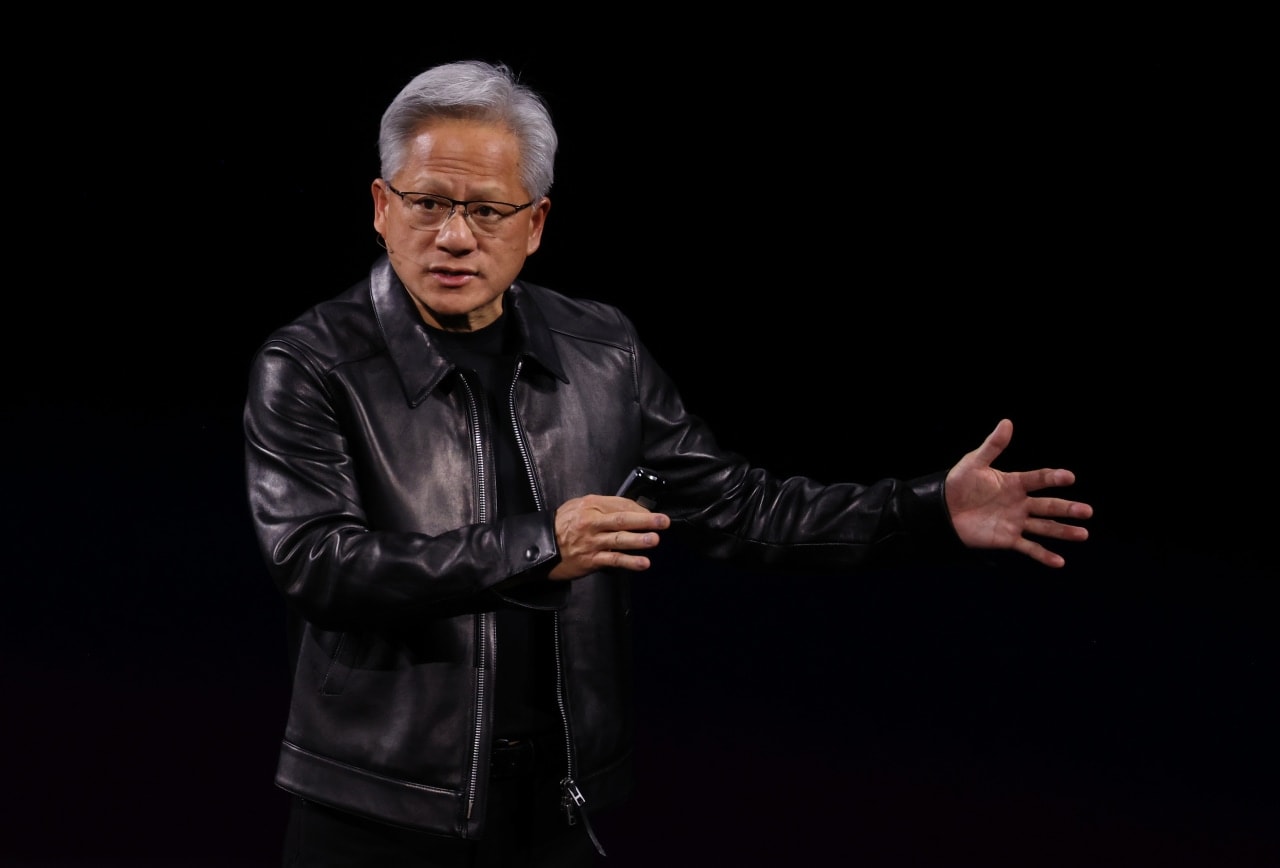
Washington: Former Nvidia Chief Executive Officer Jensen Huang has been summoned to appear before the United States Senate to answer questions regarding a controversy linked to alleged Chinese espionage and the protection of sensitive company technology. Senate Banking Committee Chairman and Republican Senator Tim Scott sent a letter to Huang on Thursday requesting his voluntary testimony before the panel on December 3, signalling that a subpoena could be issued to compel his attendance if he declines. US Commerce Secretary Howard Lutnick has also been called to testify before the committee on the same matter.
The development follows Huang’s immediate resignation on Thursday from his roles as CEO, chairman, and board member of Nvidia amid controversy over his relationships with alleged Chinese spy Alice Huang and other extramarital affairs. Nvidia has appointed Chief Financial Officer Colette Kress as interim CEO. However, lawmakers have broadened their scrutiny beyond personal conduct to examine potential implications for US national security, sensitive technology safeguards, and the sale of advanced artificial intelligence chips to China.
Senate and House Committees Demand Answers on Security
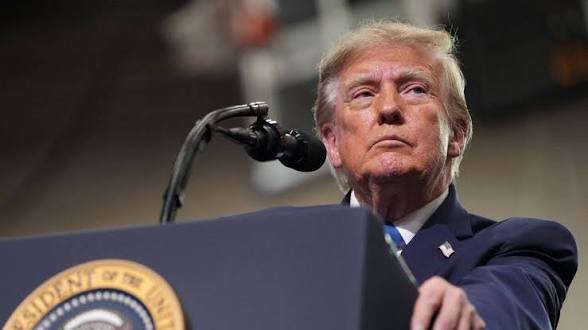
Tim Scott stated on social media that recent reports have raised serious questions about US national security and the protection of sensitive technology, adding that the American public deserves clear answers. Alongside Huang’s requested appearance at the public hearing, Commerce Secretary Lutnick has been called to address the roles played by Nvidia and the Commerce Department. A spokesperson for Lutnick’s office confirmed that the secretary has agreed to appear voluntarily before the Banking Committee. According to US media reports, lawmakers want to establish when President Donald Trump’s administration learned of Huang’s alleged relationship with Alice Huang and how national security risks were assessed when approving sensitive chip exports to China.
In parallel, three panels of the US House of Representatives—covering intelligence, foreign affairs, and China-related issues—have written to Huang requesting his appearance for a closed-door interview on December 1. Lawmakers are seeking details on Nvidia’s security protocols and whether foreign intelligence agencies could have gained access to sensitive US technology. The House committees also intend to question Nvidia General Counsel Tim Teter on December 2, while Commerce Under Secretary Jeffrey Kessler has been requested to attend the December 3 Senate hearing, elevating the controversy from an internal corporate probe to congressional oversight and federal export policy.
Investigation Into Ties With Alice Huang
The controversy began with reports alleging that Jensen Huang had a relationship with Chinese businesswoman Alice Huang, whom US intelligence agencies suspect of gathering intelligence for China. Alice Huang has been linked to Singapore-based Megaspeed International, a firm previously investigated for allegedly shipping restricted Nvidia chips to China in violation of US export control rules. She shares no family relation with Jensen Huang. China has dismissed the espionage allegations as baseless, and US officials have not yet announced any final conclusions, leaving the claims without independent public verification.
In a letter to employees, Jensen Huang admitted to infidelity toward his wife, apologized, and pledged full cooperation with investigations while reaffirming his commitment to Nvidia’s security and US national interests, prompting the company’s board to launch an independent inquiry. Media reports have also mentioned an alleged relationship between Huang and a senior female executive at Nvidia, though the company has not commented publicly in detail on those claims.
Scrutiny Over AI Chip Exports to China
A central focus of Lutnick’s upcoming testimony is the government approval process for exporting advanced AI chips to China. Because the Commerce Department reviews companies and technology products based on national security risks, lawmakers want to examine how the department monitored Nvidia’s chip sales and China-related business.
As one of the world’s leading AI chipmakers whose processors power major artificial intelligence models, Nvidia sits at the center of US-China technological competition, where advanced semiconductor exports already face strict controls. Following the controversy, calls among US lawmakers for even tighter restrictions on chip exports to China have intensified. Having co-founded Nvidia in 1993 and led it for more than three decades, Huang’s departure leaves the company searching for permanent leadership as upcoming congressional hearings prepare to shape both corporate security standards and federal technology export policy.