
Follow us on Google News

Indian authorities have launched an investigation after 129 betting websites were blocked using forged court orders falsely issued in the names of two High Courts. The case has raised serious concerns about the verification of judicial documents and the possibility of criminals manipulating government procedures to restrict access to legitimate websites.
The Ministry of Communications is reviewing how officials processed the fraudulent documents, while police have sought government records and digital logs to identify those responsible. The investigation follows the discovery that individuals allegedly impersonating lawyers submitted fabricated judicial orders to secure website-blocking directions.
How Were Fake Court Orders Used to Block Websites?
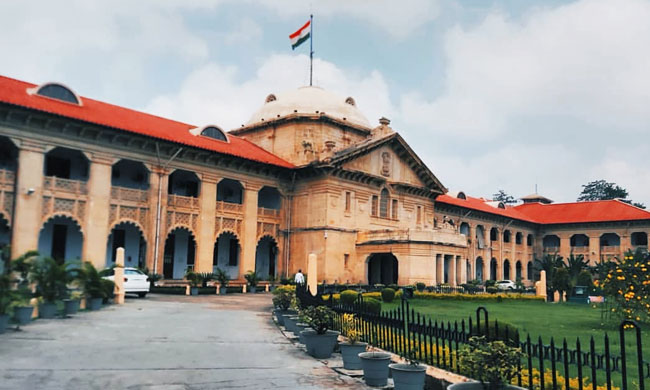
The alleged fraud involved court orders purportedly issued by the Rajasthan and Allahabad High Courts. According to the findings, individuals posing as lawyers emailed the documents to government officials, seeking restrictions on websites described as illegal betting platforms. Acting on these communications, an arm of the telecommunications ministry directed internet service providers to block 129 websites.
https://the420.in/fcrf-certified-chief-ai-officer-second-cohort-november-2026/
The documents were designed to resemble genuine judicial orders, allowing them to pass through the administrative process. One purported Allahabad High Court order contained a fabricated court logo, an official-looking seal and a fake QR code. The irregularities came to light after the Allahabad High Court examined the document and confirmed that it had not issued the order.
The discovery raised questions about whether adequate checks had been conducted before the blocking instructions were issued. Government officials are now examining the procedures used to authenticate court documents and determine whether additional verification requirements should be introduced.
What Has the Government and Police Investigation Revealed?
The telecommunications ministry has initiated an internal review of its website-blocking procedures following the discovery of the forged judicial documents. A government official familiar with the matter said the ministry was considering additional safeguards to prevent fraudulent court orders from being accepted in future.
Authorities are also attempting to identify the individuals behind the email addresses used to submit the documents. The ministry plans to withdraw the blocking directives issued on the basis of the forged orders and remove the associated documents from its official website.
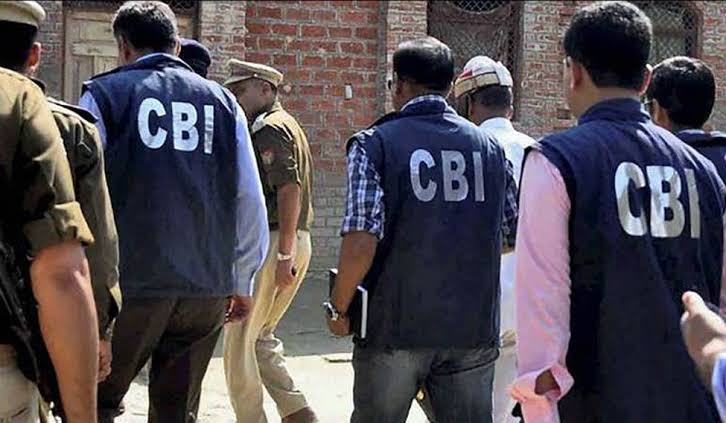
Meanwhile, police in Uttar Pradesh have opened a criminal investigation. Ghanshyam Yadav, a cybercrime official, said investigators had requested details of the ministry’s content management system and digital activity logs to establish how the fraudulent instructions were processed.
Police have submitted 24 questions to the ministry as part of the inquiry. The requested information is expected to help investigators trace the documents, examine their handling and identify those involved in the alleged forgery.
Why Does the Case Raise Concerns About Website Blocking?
The incident has exposed potential weaknesses in the administrative system used to enforce court-directed website restrictions. Officials have expressed concern that similar techniques could be used to block legitimate websites by presenting fabricated judicial instructions.
The investigation also comes amid wider concerns about forged and AI-generated legal documents. Earlier cases involving fabricated judgments and legal citations have raised questions about the reliability of documents submitted for official consideration. Political leaders and activists have called for stronger verification procedures before website-blocking instructions are implemented.
As of Thursday, correspondence relating to the alleged fraud and copies of the forged orders remained accessible online. The investigation is continuing to establish who prepared the documents and how they were accepted as genuine judicial directions.