
Follow us on Google News

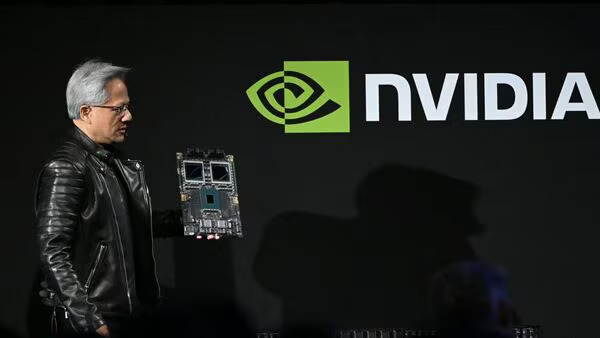
Nvidia CEO Jensen Huang has resigned amid controversy over his personal relationships and concerns involving US national security.
The departure of the 63-year-old executive, who co-founded Nvidia 33 years ago, comes as the semiconductor company faces scrutiny over allegations involving a Chinese businesswoman and possible intelligence risks. Chief Financial Officer Colette Kress has been appointed interim CEO while the company searches for a permanent successor.
Nvidia, which has grown into a company valued at approximately $4 trillion, has played a central role in the global artificial intelligence boom. Huang’s resignation has raised questions about its leadership, commercial relationships and future direction.
Why Did Jensen Huang Resign?
Huang’s departure follows reports concerning his relationship with Alice Huang, a businesswoman formerly associated with Megaspeed, a Singapore-based cloud computing company and Nvidia customer. US authorities reportedly suspect Alice Huang of links to Chinese intelligence. Beijing has denied that she is a spy. The allegations have prompted questions about whether the relationship created risks involving sensitive information or access to advanced semiconductor technology.
Huang apologised on Sunday for being unfaithful to his wife but denied compromising national security or Nvidia’s confidential information. The controversy intensified after separate reports alleged that he had a relationship with Kimberly Powell, Nvidia’s vice president of healthcare, who reported to him.
https://the420.in/fcrf-certified-chief-ai-officer-second-cohort-november-2026/
What Action Has Nvidia’s Board Taken?
Nvidia’s board initiated an investigation earlier this month to examine whether Huang had been targeted by a foreign intelligence operation. Independent directors and outside legal advisers were involved in the inquiry.
The board subsequently met on Wednesday as scrutiny of Huang’s conduct increased. Following his departure, Nvidia announced that Kress would assume interim leadership while the company considers internal and external candidates for the permanent position.
Former Synopsys CEO Harvey Jones has been named Nvidia’s first board chairman. The company said it expected business operations, customer commitments and its product development plans to continue without interruption. Huang, who holds approximately 3.61% of Nvidia’s shares, will also leave the board.
How Did Investors React to His Departure?
Nvidia shares fell more than 12% in early trading following the announcement, putting the company on course to lose approximately ₹47 lakh crore in market value. The decline also weighed on the broader stock market as investors assessed the consequences of losing one of the technology industry’s most influential executives.
The company, valued at approximately ₹376 lakh crore before the reported decline, has benefited from extraordinary demand for graphics processing units used to develop and operate artificial intelligence systems.
Its shares have risen approximately fourteenfold since late 2022, when the launch of ChatGPT accelerated investment in AI infrastructure. However, concerns about rising spending, debt and the sustainability of the AI boom had already unsettled investors before the leadership controversy.
What Are the US Security Concerns?
The controversy has drawn attention to Megaspeed, a company that reportedly enjoyed priority access to Nvidia’s advanced chips. US authorities have investigated suspicions that the company helped Chinese customers obtain semiconductor technology subject to American export restrictions.
Reports concerning Alice Huang raised further questions about whether foreign intelligence interests could have exploited her relationship with Nvidia’s chief executive. Huang denied allegations that he had compromised company secrets or national security.
The matter also carries implications for US technology policy. Huang had developed close ties with President Donald Trump and advocated policies affecting advanced chip exports to China. His departure could alter Nvidia’s influence in discussions over semiconductor restrictions and international technology competition.
What Comes Next for Nvidia?
Nvidia now faces the challenge of maintaining its position in the AI industry while managing a leadership transition and the continuing scrutiny surrounding its former chief executive.
The company supplies advanced processors to major cloud providers, technology companies and AI developers. Its commercial influence also extends through investments, financing arrangements and partnerships across the sector. Investors will be watching whether Kress can maintain operational stability and whether the search for a permanent chief executive affects Nvidia’s commercial strategy.
The board has expressed confidence in the existing leadership team, but Huang’s departure removes the executive most closely associated with Nvidia’s transformation from a graphics-chip manufacturer into a leading supplier of artificial intelligence infrastructure.
The company’s immediate priorities include maintaining customer confidence, protecting its technology roadmap and addressing questions arising from the security investigation.
About the author –
Rehan Khan is a law student and legal journalist who writes on cybercrime, data protection, and technology-driven offences. His reporting explores the legal, social and regulatory challenges posed by digital crimes in India.