
Follow us on Google News

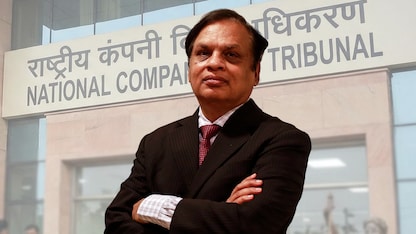
The NCLT has declared Videocon’s former promoter Venugopal Dhoot bankrupt over a ₹12,668 crore loan default involving SBI.
The Mumbai bench of the National Company Law Tribunal (NCLT) has ordered that the estate of Venugopal Nandlal Dhoot, former promoter and director of Videocon Industries, be vested in bankruptcy trustee Ashish Narayan for administration and distribution among creditors. The order follows the rejection of Dhoot’s proposed ₹600 crore repayment plan.
Why Was Venugopal Dhoot Declared Bankrupt?
The proceedings arise from personal guarantees provided by Dhoot for credit facilities extended to Videocon Industries Limited and Videocon Telecommunications Limited between 2010 and 2012. The companies had obtained rupee term loans and working capital facilities from the State Bank of India (SBI) and its associated banks, which were subsequently merged in April 2017. Dhoot had unconditionally guaranteed repayment of the outstanding amounts and associated liabilities.
Following defaults by Videocon Industries, the company entered the Corporate Insolvency Resolution Process (CIRP) in June 2018. In August 2019, the NCLT consolidated its insolvency proceedings with those of 12 other Videocon group companies.
SBI had already issued demand notices to Dhoot in February 2018, seeking repayment of the outstanding loans.
https://the420.in/fcrf-certified-chief-ai-officer-second-cohort-november-2026/
Why Did Creditors Reject the ₹600 Crore Repayment Plan?
In April 2026, SBI initiated a separate personal insolvency resolution process against Dhoot after he failed to present a repayment plan for his dues. Two months later, Dhoot submitted a Combined Repayment Plan accompanied by a Detailed Project Report for a proposed development in Siliguri. The proposal offered ₹600 crore over 36 months, which the petition described as representing just 0.42% of the admitted dues.
The resolution professional raised concerns that the proposed repayment mechanism depended heavily on future development, regulatory approvals and cash flows that could not be verified. The proposal also offered no upfront realisation. Citing these uncertainties, creditors decided to close the personal insolvency proceedings and pursue bankruptcy proceedings against Dhoot.
What Did the NCLT Order?
In July 2026, the NCLT rejected Dhoot’s repayment proposal and initiated bankruptcy proceedings concerning the ₹12,668 crore default, including interest and penalties, as submitted by SBI.
In its subsequent order, the Mumbai bench declared Dhoot bankrupt and directed that his estate be placed under the administration of bankruptcy trustee Ashish Narayan.
The tribunal also instructed Dhoot to submit details of his financial position to the trustee. These disclosures will form part of the process of identifying and administering assets available to creditors.
What Happens to Dhoot’s Assets and Creditors?
Under the tribunal’s directions, the bankruptcy trustee will issue a public notice inviting creditors to submit their claims. The trustee will then oversee the administration and distribution of Dhoot’s estate in accordance with the Insolvency and Bankruptcy Code.
The proceedings concern Dhoot’s personal liability arising from guarantees furnished for loans obtained by Videocon group companies. They follow years of insolvency proceedings involving the group’s corporate borrowers. The bankruptcy order moves the matter from the unsuccessful repayment proposal to the administration of Dhoot’s estate for creditor claims.
The extent of recoveries will depend on the assets available for administration and the claims considered under the bankruptcy process. The tribunal’s order establishes the mechanism through which those assets will be handled and distributed among creditors.