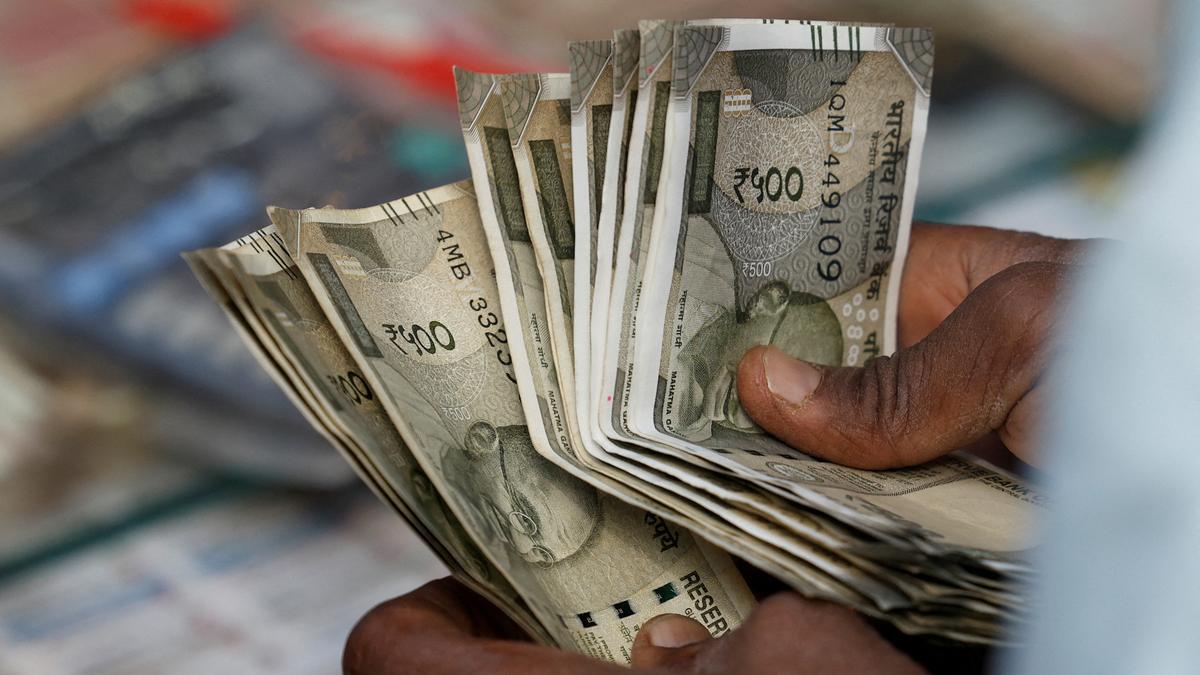

MUMBAI: A 65-year-old advocate from Ghatkopar has allegedly lost ₹10.20 lakh after cybercriminals impersonating officials threatened to arrest him in a fabricated money-laundering case. The suspects allegedly claimed that a bank account opened using his Aadhaar details had received ₹20 crore, using the accusation to pressure him into transferring money.
East Region Cyber Police are investigating the case against unidentified suspects. According to the reported timeline, the first contact occurred on October 21, with details of the case reported on October 27, 2026.
How the Alleged Digital Arrest Scam Unfolded
The callers allegedly told the advocate that his identity documents had been used to open a bank account linked to a substantial money-laundering transaction. They reportedly threatened him with arrest, creating fear of serious criminal consequences.
The allegation involving ₹20 crore appears to have been used as a pressure tactic. The victim allegedly transferred ₹10.20 lakh during the incident.
In digital arrest scams, fraudsters impersonate police officers, investigators or other government authorities and use threats of arrest, interrogation or legal action to control their targets. They may use phone calls, video calls, fabricated documents and invented criminal allegations to make the situation appear official.
The term “digital arrest” does not describe a legitimate legal procedure. Genuine law-enforcement authorities do not conduct arrests by keeping people under virtual surveillance and demanding money transfers to prove their innocence.
https://the420.in/fcrf-certified-chief-ai-officer-second-cohort-november-2026/
Why Even Professionals Can Become Victims
The case highlights how professional knowledge may not protect someone from a carefully staged intimidation attempt. When callers invoke criminal law, identity theft and large financial transactions, victims may feel compelled to act immediately rather than verify the claims independently.
Fraudsters often exploit urgency and fear to prevent victims from contacting family members, lawyers, banks or genuine authorities. An accusation involving a large sum of money can make the threat appear especially serious, even when the caller’s claims are fabricated.
A caller’s knowledge of personal details, use of official-sounding language or display of documents should not be treated as proof of identity or legal authority.
What To Do If Someone Threatens You With Arrest
Anyone receiving a call alleging involvement in a criminal case should avoid transferring money or sharing banking credentials, passwords or OTPs. End the interaction and independently contact the relevant police department or government agency through its verified contact details.
If personal information such as Aadhaar details may have been misused, check for suspicious financial activity and report any suspected identity misuse through the appropriate official channels.
People who have already transferred money should contact their bank immediately and report the incident to the national cybercrime helpline at 1930 or through the official National Cyber Crime Reporting Portal. Prompt reporting may help authorities and financial institutions take action on the transaction.
What This Means For You
No genuine police officer or investigating agency can lawfully demand money through a phone or video call to settle an allegation, avoid arrest or verify innocence. Treat threats linked to urgent payments as a serious warning sign and verify every claim independently.
The420 Insight
Digital arrest scams turn fear of law enforcement into a tool for financial extraction. The alleged loss in this case demonstrates how fabricated criminal allegations can pressure even experienced professionals into making transfers. Public awareness, independent verification and immediate reporting remain essential to disrupting these schemes.
About the Author – Ananya Aradhya writes on cybercrime, fraud, scams, cybersecurity, digital safety, and emerging threats. Her work also covers major criminal cases, financial frauds, consumer scams, and stories that highlight risks affecting people in the real and digital world.