
Follow us on Google News

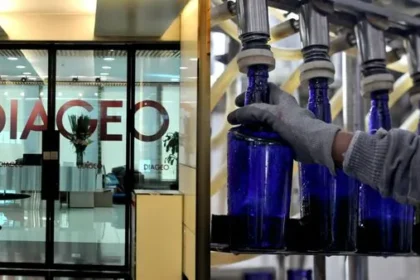
An investigation by Indian tax authorities into bulk Scotch whisky imports has triggered a major dispute with global and domestic liquor manufacturers, casting uncertainty over a tariff concession negotiated under the India-UK free trade agreement. The controversy involves a market valued at approximately Rs 6.18 lakh crore and threatens the operational models of leading distillers who rely on imported spirits. While the bilateral trade pact lowered customs tariffs on certain Scotch imports from 150 percent to 75 percent starting July 15, 2026, Indian tax officials have taken the position that this reduction excludes bulk shipments, which are instead subject to the previous 150 percent rate. Companies including Diageo, Pernod Ricard, Radico Khaitan, and Allied Blenders and Distillers have formally contested the tax department’s position.
Tariff classification emerges as central point of contention
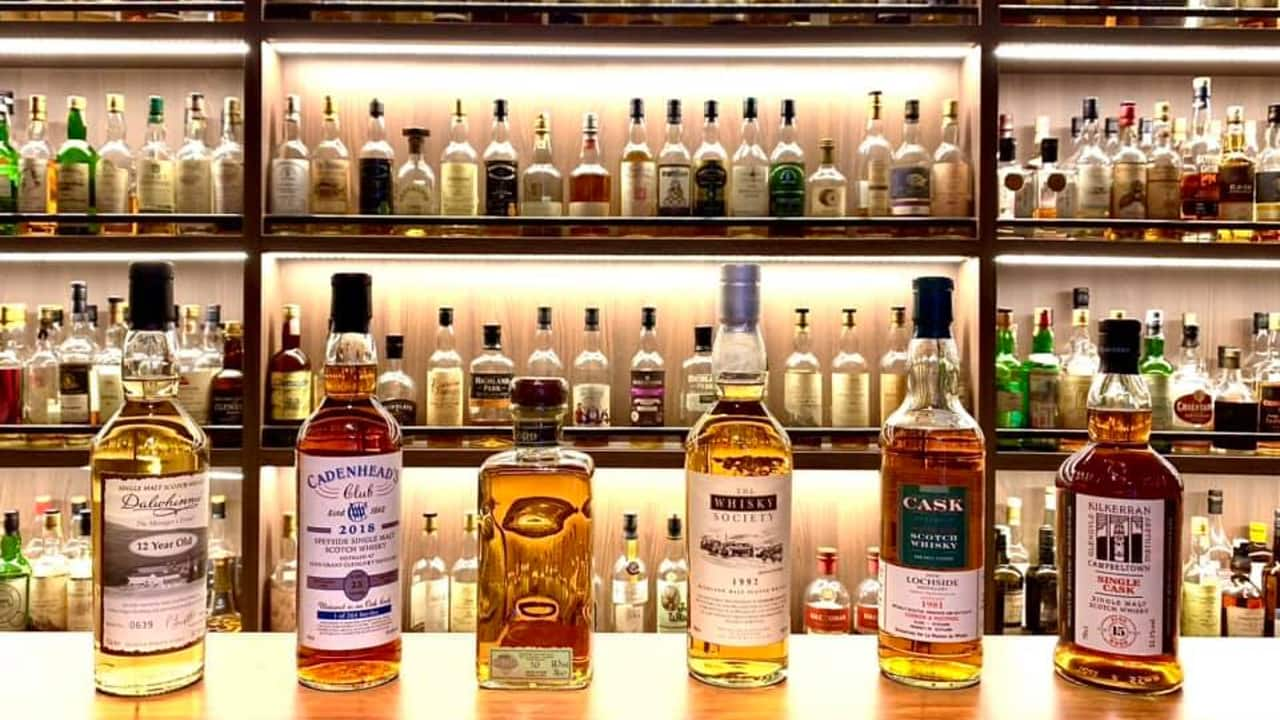
The disagreement turns on how customs authorities categorize bulk spirits compared to retail-packaged goods. Under the terms of the trade pact, bottled Scotch whisky such as The Glenlivet is eligible for the reduced 75 percent duty, with provisions to phase tariffs down to 40 percent over a ten-year timeline. However, officials argue that bulk Scotch falls under a tariff classification introduced earlier this year for compound alcoholic preparations used in beverage manufacturing, which carries the full 150 percent duty. Liquor manufacturers argue that Scotch whisky is a distilled spirit made from malted barley and water, distinguishing it from modified or flavoured alcohol compounds. The issue has escalated beyond administrative discussions, with customs officials searching the offices of several liquor companies in recent weeks ahead of planned talks between the government and industry representatives.
Bulk shipments drive domestic manufacturing and blending operations
The classification ruling carries significant commercial weight because bulk shipments constitute roughly 80 percent of all Scotch whisky imported from Britain. India ranks as the world’s largest export market for Scotch whisky by volume, receiving more than 220 million bottle-equivalents in 2025. Rather than retailing directly to consumers, domestic producers rely on these bulk imports to blend with local grain spirits to manufacture Indian-Made Foreign Liquor brands. Major commercial labels, including Pernod Ricard’s Blenders Pride, depend on imported Scotch malts from distillers such as Chivas Brothers to supply local consumer demand. Industry groups warn that excluding bulk shipments from tariff concessions will inflate input costs, complicate pricing strategies, and undermine the cost advantages anticipated by domestic blending operations.
Trade partners and industry bodies warn of broader economic fallout
The dispute has drawn scrutiny from British authorities, marking one of the earliest disagreements over the implementation of the India-UK free trade pact. A UK government spokesperson confirmed that bilateral discussions are underway to resolve the matter and uphold the tariff terms negotiated in the pact. Scotland’s First Minister John Swinney also raised concerns over the treatment of bulk exports during an official visit to India last week, while New Delhi has not released a public statement. Within India, the International Spirits and Wines Association of India alongside the Confederation of Indian Alcoholic Beverage Companies cautioned that imposing the full 150 percent duty on bulk imports makes finished bottled whisky more economically attractive than raw materials. Industry leaders warn this dynamic could undermine domestic investments, reduce manufacturing employment, and compromise broader initiatives designed to support local production.